I moved to Guanacaste and made Costa Rica my home, so I'm biased, and I still think you deserve the honest version. Most articles about moving here are either brochures or complaint lists. This one is the middle: what people genuinely love, what genuinely frustrates them, and how to find out which side you'll land on before you commit.
The Pros
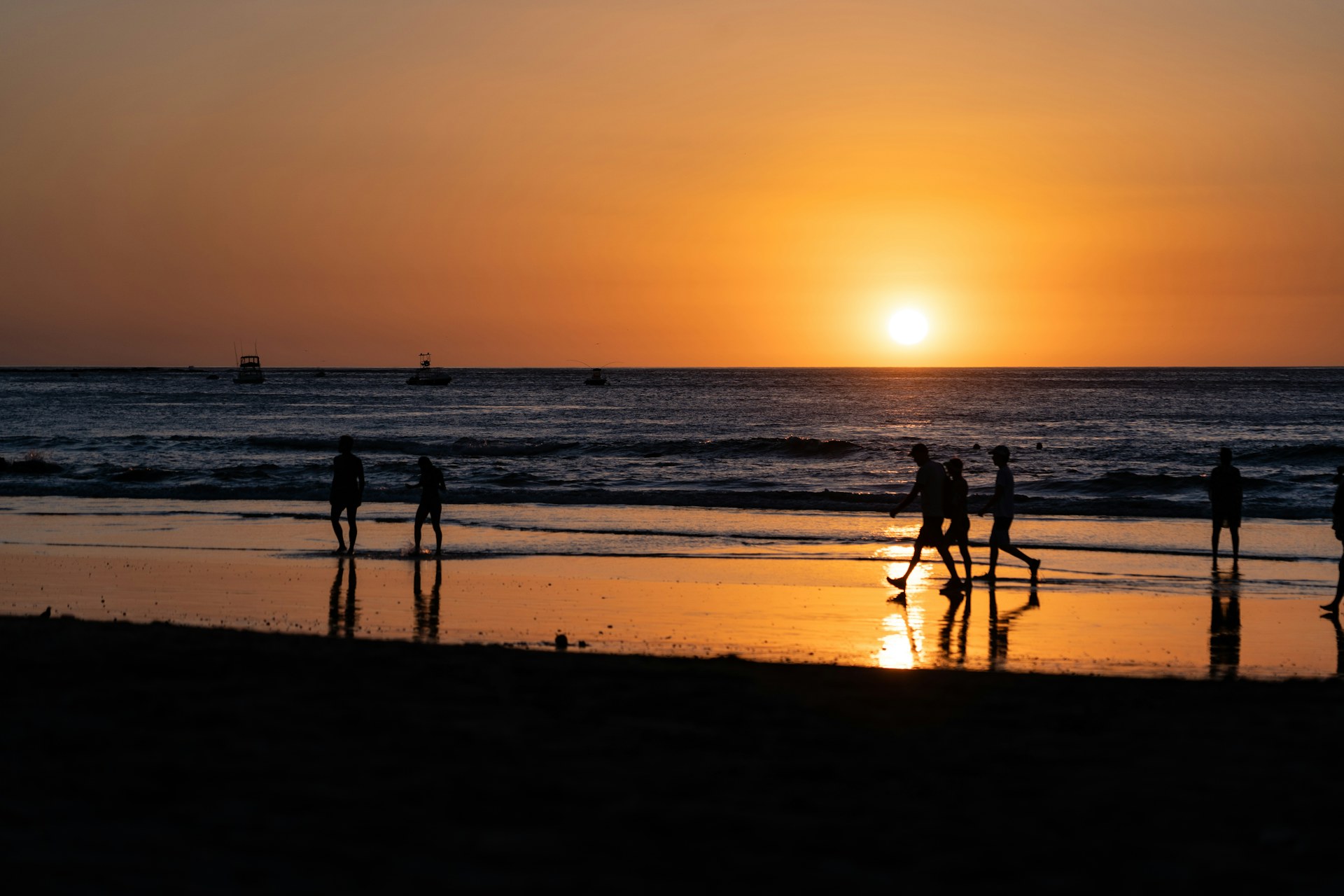
- The weather and the beaches. Guanacaste has a long sunny dry season, roughly December through April, and a green season from about May through November that is mostly short afternoon showers rather than all-day rain. It is one of the driest and hottest parts of the country. See dry season vs. green season.
- Lower everyday costs. A couple in Playas del Coco spends roughly $1,800 to $2,200 a month on a modest budget and $3,000 to $3,800 on a comfortable one. Local food, services and help cost less than at home. See the cost of living breakdown.
- Easy flights home. Liberia's airport has direct flights from several Canadian and US cities, so visiting family or having them visit you is realistic. See direct flights to Liberia from Canada.
- You can own your home. Foreigners can buy property with the same rights as Costa Ricans. See whether foreigners can buy property in Costa Rica.
- Healthcare options. You can use the public system, private care, or both. Private care in Liberia includes Hospital Metropolitano. See the Caja versus private insurance.
- An established expat and family community. Bilingual and international schools operate in the Guanacaste area, and the expat community around Coco, Hermosa and Ocotal is active. Verify any school you are considering.
- Nature on your doorstep. Beaches, hills, and national parks such as Rincón de la Vieja are a short drive away.
The Cons
- Petty crime. Canada's travel advice says petty crime such as pickpocketing and bag-snatching occurs frequently, and passport theft is very common. Break-ins of empty homes and rentals are among the most common crimes against visitors. The US State Department rates Costa Rica Level 2, exercise increased caution. Reported homicides, largely gang and drug related, are concentrated mainly in provinces such as San José and Limón, and neither advisory singles out Guanacaste. See is Playas del Coco safe?
- The roads. Canada's travel advice describes road conditions and road safety as generally poor, with a very high traffic accident rate. Night driving is the biggest risk.
- The ocean. Rip currents are a real danger on many beaches, and they cause deaths every year. Learn to spot them before you swim.
- Public healthcare waits. Legal residents are required to enroll in the Caja, and contributions are based on income, so check the current rules with the CCSS. Public hospitals can have long waits, doctors may not speak English or French, and private facilities usually need payment up front. Medical evacuation insurance is worth considering.
- Residency takes time. Reports in 2026 describe residency processing waits that range from about a year to two years or more, because of a backlog at Migración. See the Pensionado and Inversionista guides, and consider an immigration attorney.
- Cars and imported goods. Vehicle import taxes are layered and high, so cars cost more than at home, and many imported goods do too. That is why some expats manage without a car in town.
- Heat, humidity and the rainy season. It is hot, air conditioning drives electricity bills, the dry season is dusty, and the green season brings afternoon rain. Humidity and insects are part of tropical living.
- Earthquakes and volcanoes. Costa Rica is in an active seismic zone, with regular tremors, and Rincón de la Vieja in Guanacaste is an active volcano.
- High-season prices and crowds. Mid-December through April is peak season, with the busiest weeks around Christmas and New Year, Semana Santa, and the July school holidays.
- Distance and language. You will be far from family, and daily life is easier if you learn Spanish.
Who Thrives Here, and Who Doesn't
People who thrive tend to be flexible, curious and patient with paperwork. They like an outdoor life, they're comfortable with a slower pace, and they treat the first year as a trial. People who struggle tend to expect home with better weather, want everything to run on a schedule, or move without visiting in more than one season.
How to Test It Before You Commit
- Visit in more than one season, especially the green season. See the best time to visit or house-hunt.
- Rent for a few months before you buy. See how many days a house-hunting trip needs.
- Talk to residents about the things that frustrate them, not only what they love.
- Check the details that matter to you: your healthcare plan, your residency path and your budget.
- Read the moving guide and the Guanacaste area guide.
Frequently Asked Questions
Is Costa Rica a good place to live?
For many expats, yes. People are drawn by the climate, the beaches, the relaxed pace and lower everyday costs. The genuine downsides are petty crime, poor roads, slow residency paperwork, long public-healthcare waits and expensive cars. It works best for people who visit first and set realistic expectations.
What is the biggest downside of living in Costa Rica?
It depends on the person, but the most common frustrations are slow paperwork and residency processing, the cost of cars and imported goods, road safety, and adjusting to healthcare that works differently from home.
Is it safe to live in Costa Rica?
For most residents in Guanacaste, the realistic risks are opportunistic theft and road and ocean safety rather than violence against residents. The US State Department rates the country Level 2, exercise increased caution, and Canada advises a high degree of caution. Neither advisory singles out Guanacaste. My guide to whether Playas del Coco is safe goes into detail.
Is Costa Rica cheaper than the US or Canada?
Often, though it depends on how you live. In Playas del Coco a couple can spend roughly $1,800 to $2,200 a month on a modest budget and $3,000 to $3,800 on a comfortable one. Housing and air conditioning drive most of the gap, and cars and imported goods tend to cost more than at home.
How does healthcare work for expats in Costa Rica?
Legal residents contribute to the public system (the Caja), based on income, and many also keep private insurance or pay privately. Public care can involve long waits, and doctors may not speak English, while private facilities usually require payment up front. Private care is available in Liberia.
What is Guanacaste like to live in?
Guanacaste has a long sunny dry season, a green rainy season of mostly short afternoon showers, beaches, small towns, and direct flights into Liberia. It is hot, and the dry season is dusty, but it is one of the easiest parts of the country to settle into.