Everyone tells you Guanacaste has a "dry season" and a "rainy season," and then in the same breath tells you dry season is obviously the best time to come. It's not that simple, especially if the real goal of the trip is to look at houses rather than lie on a beach for a week. The two seasons change what a property actually looks like, who else is competing for it, and how much leverage you have at the negotiating table. Here's what each one is really like on the ground in Playas del Coco and along the coast, and how I'd think about timing a house-hunting trip around it.
Guanacaste's Two Seasons, In Short
Guanacaste is Costa Rica's driest and hottest province, with a longer, more pronounced dry season than you'll find on the Caribbean side or in the Central Valley. Dry season runs roughly from December through April, with the driest, most reliably rain-free stretch from December through March. Green season (locals rarely say "rainy season" out loud, and for good reason) runs roughly from May through November. Those month ranges are approximate and shift a bit year to year, but they're consistent enough that you can plan a trip around them with confidence. This post is about picking which weeks on the calendar make sense; if you're separately trying to figure out how many days to budget once you've picked a window, I've covered that in my post on how many days a house-hunting trip actually takes.
Dry Season: What It Actually Feels Like (Roughly December–April)
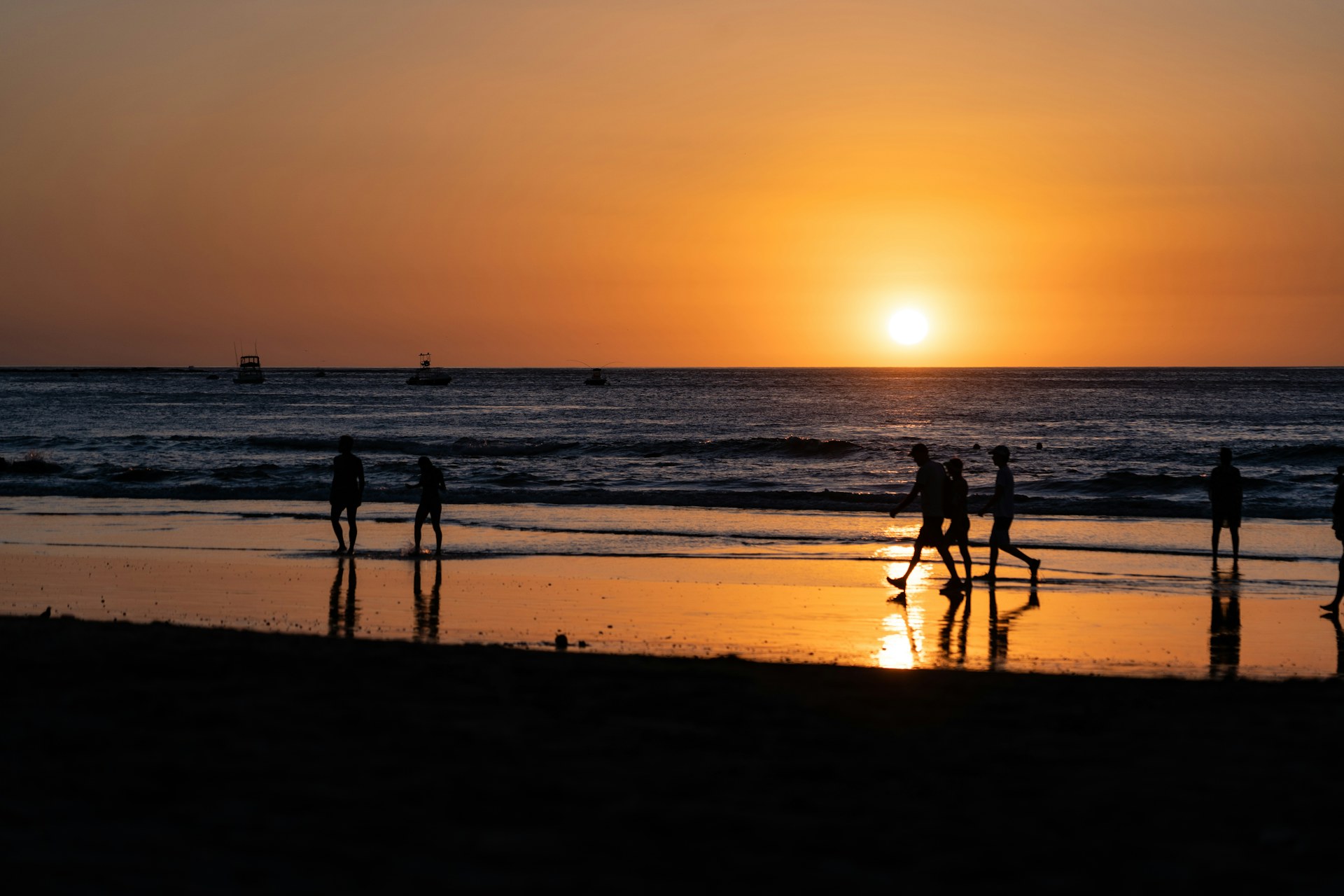
This is the Guanacaste of the postcards: cloudless skies, warm water, and weeks on end without a drop of rain. Temperatures climb steadily as the season goes on, with March typically the hottest month of the year. What people don't always expect is what the same dry spell does to the landscape. By March and April, the tropical dry forest that looked lush and green in December has dropped its leaves and gone brown, gold, and dusty; it's a real, well-documented seasonal cycle here, not neglect, and it greens back up fast once the rains return. It also means dry season is peak tourist season, which is exactly what it sounds like for a house hunt: flights and rental cars cost more, popular listings get more showings booked against yours, and sellers who know the calendar can afford to hold firmer on price. What you get in exchange is the best beach and pool weather of the year, and it's genuinely the right season to fall in love with the lifestyle side of Guanacaste, even if it's not always the smartest season to negotiate in.
Green Season: What It Actually Feels Like (Roughly May–November)
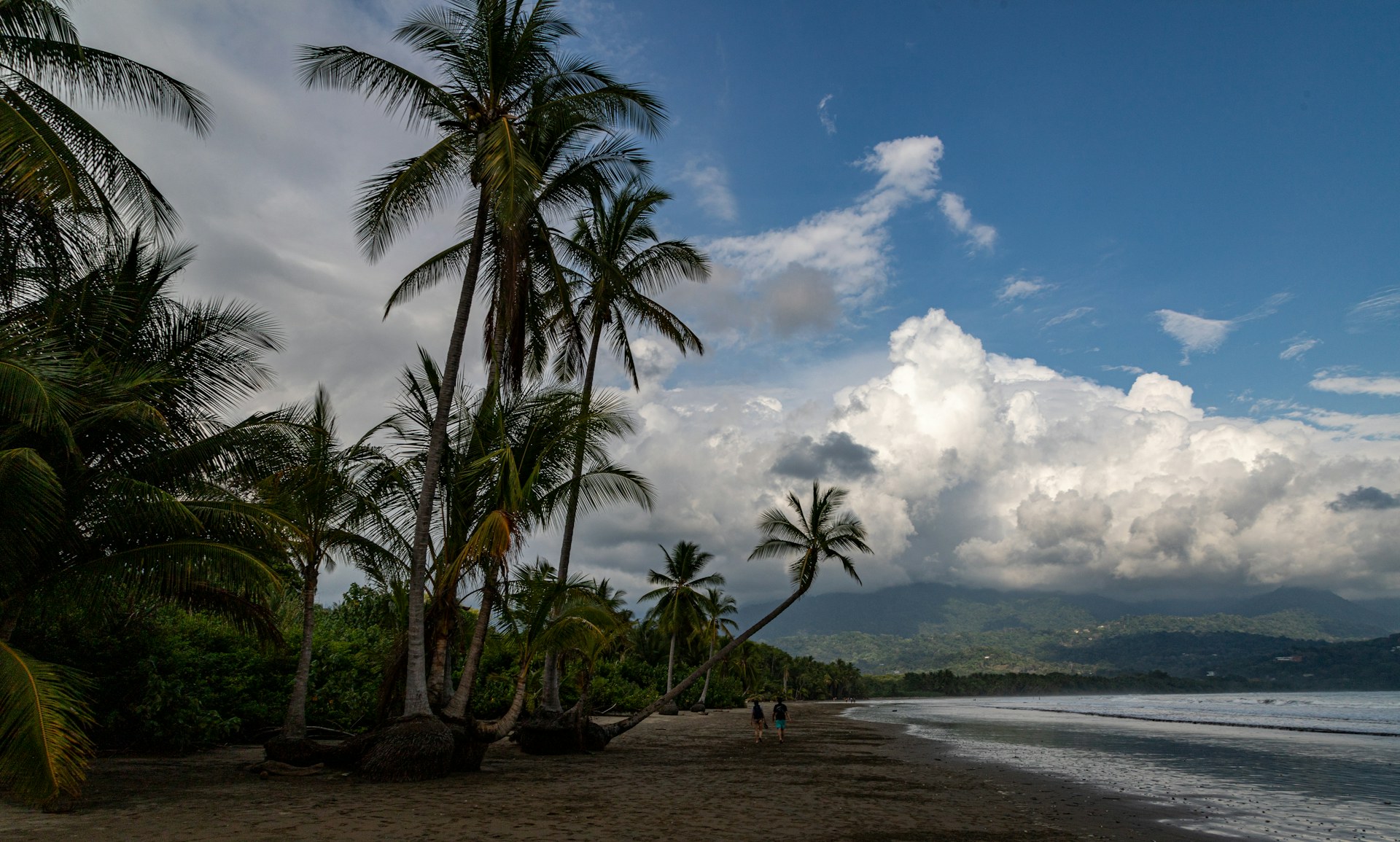
"Rainy season" oversells it. The typical pattern, especially early in the season, is a sunny morning followed by an afternoon shower that can last anywhere from fifteen minutes to a couple of hours, then clear skies again by evening. It's not the all-day downpour a lot of first-time visitors picture. By June, the same brown hills from April are a deep, vivid green, the kind of green that only shows up a few months a year. July and August often bring a drier stretch within the rainy season that locals call the veranillo, or "little summer," when the trade winds pick up and rain briefly eases off, before the wettest stretch of the year typically arrives in September and October. Flights, rentals, and Airbnb rates all tend to drop, and there are simply fewer other buyers touring the same handful of listings. If you're buying raw land, water availability during dry season is its own separate question with its own due diligence process, which I cover in my post on the water letter; this one is about visiting and viewing timing, not infrastructure. There's also the honest caveat: an occasional named storm can bring heavier regional rain later in the season, though Guanacaste sits outside the main hurricane track. I go into that in more detail, including what's actually happened here historically, in my Playas del Coco safety guide, rather than repeating it here.
The Shoulder Months Worth Knowing About
April and May, and again in late November and early December, are transition windows where you genuinely get a mix of both seasons. Late April can still feel bone-dry with the first rains only just arriving, while May often starts hot and dusty and turns green within a few weeks. November tends to be the mirror image: the heaviest rains have usually passed, the landscape is still lush, and the dry season's sunshine is starting to return, often without the December-through-February crowds and pricing yet. If your schedule is flexible, these shoulder windows are worth a serious look, they often combine reasonable weather with a quieter market.
Why House-Hunting in Green Season Can Actually Be an Advantage
For buyers specifically, green season has some underrated upside. You see a lot's real drainage, exactly where water pools, how a driveway or retaining wall handles a hard rain, and whether the landscaping was actually planted and maintained or just looks fine because everything's been dry and dusty for months. Browse my featured listings during green season and you're seeing the gardens and grounds the way they'll look most of the year, not the driest, least green version. You'll also typically face less competition: fewer buyers are on the ground touring the same properties, which means less pressure to make a rushed offer. And sellers who'd like to close before year-end, or who've had a property sit through a slow season, can be more open to negotiating on price or terms than they would be during the December rush.
Why Dry Season Is Better for Seeing the Lifestyle at Its Best
None of that means green season is always the right call. If part of what you're buying into is the lifestyle itself, the beach days, the pool afternoons, the sunset dinners outdoors without checking a forecast, dry season is when Guanacaste delivers on that promise most consistently. It's also simply easier logistically: more flights, more availability at short-term rentals if you need a base while you view properties, and a beach town that's fully in its high-season rhythm so you can get a real feel for what day-to-day life here looks like at its busiest. Many of my clients deliberately do one trip in each season, a dry-season trip to fall in love with the area, and a green-season trip to pressure-test a specific property before making an offer.
Month-by-Month Quick Reference
So, When Should You Book Your Trip?
If you want one clean answer: come in dry season to fall in love with the beaches and the lifestyle, and seriously consider a green-season trip, or at least a green-season visit before you sign, to see a property the way it really behaves most of the year. Neither season is objectively "better" for a house hunt; they just answer different questions. Once you've picked your window, my separate post on how many days a Costa Rica house-hunting trip actually needs will help you build the itinerary around it.
Frequently Asked Questions
When is dry season in Guanacaste?
Dry season runs roughly from December through April, with the driest, least-rain stretch from December through March. Guanacaste is Costa Rica's driest and hottest province, so this season is longer and more pronounced here than on the Caribbean coast or in the Central Valley. March is typically the hottest month, and by April the dry tropical forest has gone from green to brown.
When is green season (rainy season) in Guanacaste?
Green season runs roughly from May through November. It doesn't mean rain all day: the typical pattern, especially early in the season, is sunny mornings followed by an afternoon shower that can last anywhere from fifteen minutes to a few hours. July and August often bring a drier stretch within the rainy season known locally as the veranillo, or "little summer."
Is green season a good time to house-hunt in Guanacaste?
In several ways, yes. You see a lot's real drainage and how its landscaping actually performs, rather than a version that's been dry and dusty for months. There are usually fewer competing buyers touring the same properties, sellers who need to close before year-end can be more open to negotiation, and flights and rental cars typically cost less.
Is dry season better for seeing the beaches and lifestyle?
Yes. Dry season is when Guanacaste's beaches, pools, and outdoor living show at their absolute best: consistent sun, calm seas, and the postcard version of the lifestyle you're likely picturing. The trade-off is that it's also peak tourist season, so expect higher prices on flights and rentals and more competition for showings.
Should I worry about hurricanes when visiting Guanacaste in green season?
Guanacaste sits outside the main Caribbean hurricane track and direct hits are rare, though the Pacific side has felt indirect effects from named storms in the past. I cover this in more detail, including what actually happened here historically, in my Is Playas del Coco Safe? guide.