This is the question I get more than any other from people outside Costa Rica: can I, as a foreigner, actually own property there? The short answer is yes, and the longer answer is what keeps you out of trouble. This guide covers what you can buy, the exceptions that genuinely apply, the extra checks that matter for land, and how a purchase works from offer to registration.
The Short Answer: Yes
Costa Rica's Constitution gives foreigners the same individual and social rights and duties as Costa Ricans, with the exceptions the Constitution and the laws establish. In property terms, the US State Department's Investment Climate Statement says foreigners are subject to the same land acquisition laws as Costa Ricans, apart from concessions in the maritime zone. You do not need residency, a visa or government approval to buy titled property, and buyers commonly close on a tourist visa. I explain the taxes and financing side for American buyers in my guide to buying in Costa Rica as a US citizen.
What You Can Buy
- Houses and condos. Foreigners can buy these outright. A condo unit is registered as its own property within a condominium; see what the fees cover.
- Land. Building lots, farms and other titled parcels, with the extra checks below.
- In your own name or through a company. Both are allowed. See a corporation versus your own name.
The Exceptions That Actually Apply
- The maritime zone. The first 50 meters from the high-tide line is public and cannot be owned. The next 150 meters is normally held by concession, and the law limits concessions for foreigners with under five years of legal residency and for companies that are more than half foreign-owned. A corporation does not get around this. See the maritime zone guide.
- State forest and protected land. Forest land that belongs to the state's natural heritage cannot be privately owned or registered through possession, and changing the use of forested private land is heavily restricted.
- Indigenous reserves. Land inside an indigenous reserve cannot be bought by non-indigenous people.
- Border areas. Land in the strips along the borders has special rules. If a property is near the Nicaraguan or Panamanian border, ask your attorney to confirm its titled status.
Buying Land as a Foreigner
Land is where most problems start, and the checks are different from buying a finished home.
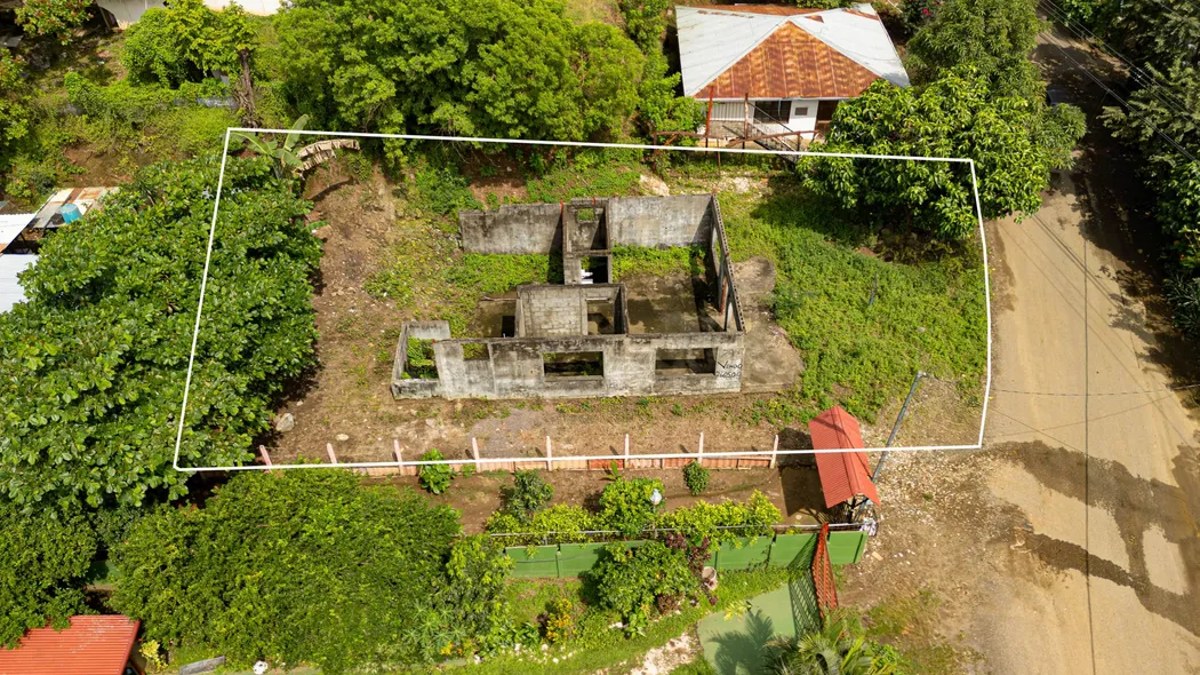
- Titled or possession only. Some land is sold on possession rights rather than registered title, which is not ownership. Titled land is the safe answer for most foreign buyers. My title search guide explains the difference and the checks.
- Legal access. The parcel needs frontage on a public road or a registered easement, documented and usable year-round.
- Water. A building permit generally requires a water availability certificate. See the water availability letter guide.
- Permits. A building permit typically needs a land-use certificate, registered survey plan, professionally stamped plans, proof of water and electricity, and environmental viability where applicable. Requirements vary by municipality.
- Protection areas. Springs, rivers and forested land carry setbacks and restrictions. Confirm them before you plan a house.
- Lot in a development or standalone. A lot inside a condominium development comes with the development's rules and fees; a standalone lot does not, but you handle access and utilities yourself.
- Dividing land. Splitting a parcel requires a municipally approved plan before it can be divided.
Foreigners do not face special building or subdivision rules beyond the exceptions above; the same rules apply to everyone.
Do You Need a Company?
No. Many foreigners hold title in their own name, and that is often the simplest route. A Costa Rican corporation is also allowed and is common for higher-value properties, but it adds annual filings and, for US owners, extra reporting. If you are pursuing the Inversionista residency, the property generally needs to be in your personal name. Talk through it with your attorney before you decide.
Buying Without Being There
It can be done, but do it carefully. A power of attorney used for a property purchase must be a public deed. Signed abroad, it generally has to be granted before a Costa Rican consul or a notary, and documents from countries in the Hague Apostille Convention, including the US and Canada, are apostilled. Confirm the exact steps with your notary before you sign. See whether you can buy without visiting.
How a Purchase Works, Step by Step
- Offer. You make an offer and agree on price and terms.
- Purchase agreement and deposit. A purchase agreement is signed and your deposit goes into escrow.
- Due diligence. Your attorney runs the title search and checks access, taxes, fees and permits. See the title search guide.
- The deed. The deed is signed before a notario público. See what a notario actually does.
- Registration and transfer tax. The deed is registered at the Registro Nacional, and a 1.5% transfer tax applies. See closing costs.
Does Buying Property Give You Residency?
Not by itself. The exception is the Inversionista program, which requires a qualifying investment, with real estate counting; the minimum is $200,000, and you should confirm the current requirement with Migración or an immigration attorney. See the Inversionista residency guide. One practical note: non-residents can open only simplified bank accounts, while residents get full banking. See whether you need a Costa Rican bank account.
Myths About Foreigners Buying in Costa Rica
- "You need residency or a company to buy." You do not.
- "Foreigners can't own anything near the beach." Only concession land in the maritime zone is restricted; titled land outside it can be owned.
- "A corporation avoids the maritime zone rules." It does not.
- "Possession rights are the same as title." They are not.
Before You Make an Offer
- Hire an independent attorney, not the seller's
- Confirm the property is titled and check its registry record
- Verify legal access, water and permits, especially for land
- Check whether any part of it falls in the maritime zone, a protected area or restricted land
- Decide whether to hold title in your own name or a company
- Line up how you will pay, and budget for closing costs
Frequently Asked Questions
Can foreigners buy property in Costa Rica?
Yes. Foreigners can buy houses, condos and land with the same property rights as Costa Ricans. The main exception is concession land in the maritime zone along the coast.
Do I need residency to buy property in Costa Rica?
No. In practice you can buy and close on a tourist visa. Buying property does not by itself give you residency, except through the Inversionista program, which has its own investment requirement.
Can Americans and Canadians buy land in Costa Rica?
Yes, on the same terms as anyone else. Land needs extra checks, though: legal access to a public road, water, land-use and building permits, and confirmation that the parcel is titled and not inside a protected or restricted area.
Can foreigners own beachfront property in Costa Rica?
It depends on the parcel. The first 50 meters from the high-tide line is public and cannot be owned, and the next 150 meters is normally held by municipal concession with extra rules for foreigners. Titled land outside that maritime zone can be owned outright.
Do I have to buy through a Costa Rican company?
No. Many foreign buyers hold title in their own name. A company can make sense in some cases, but it does not get around the maritime zone rules, and it should be a deliberate choice made with your attorney.
Can I buy property in Costa Rica without visiting?
It is possible, using a power of attorney that meets Costa Rican requirements. It must be a public deed, and documents signed abroad generally need an apostille. Have your notary confirm the exact steps for your situation before you sign anything.