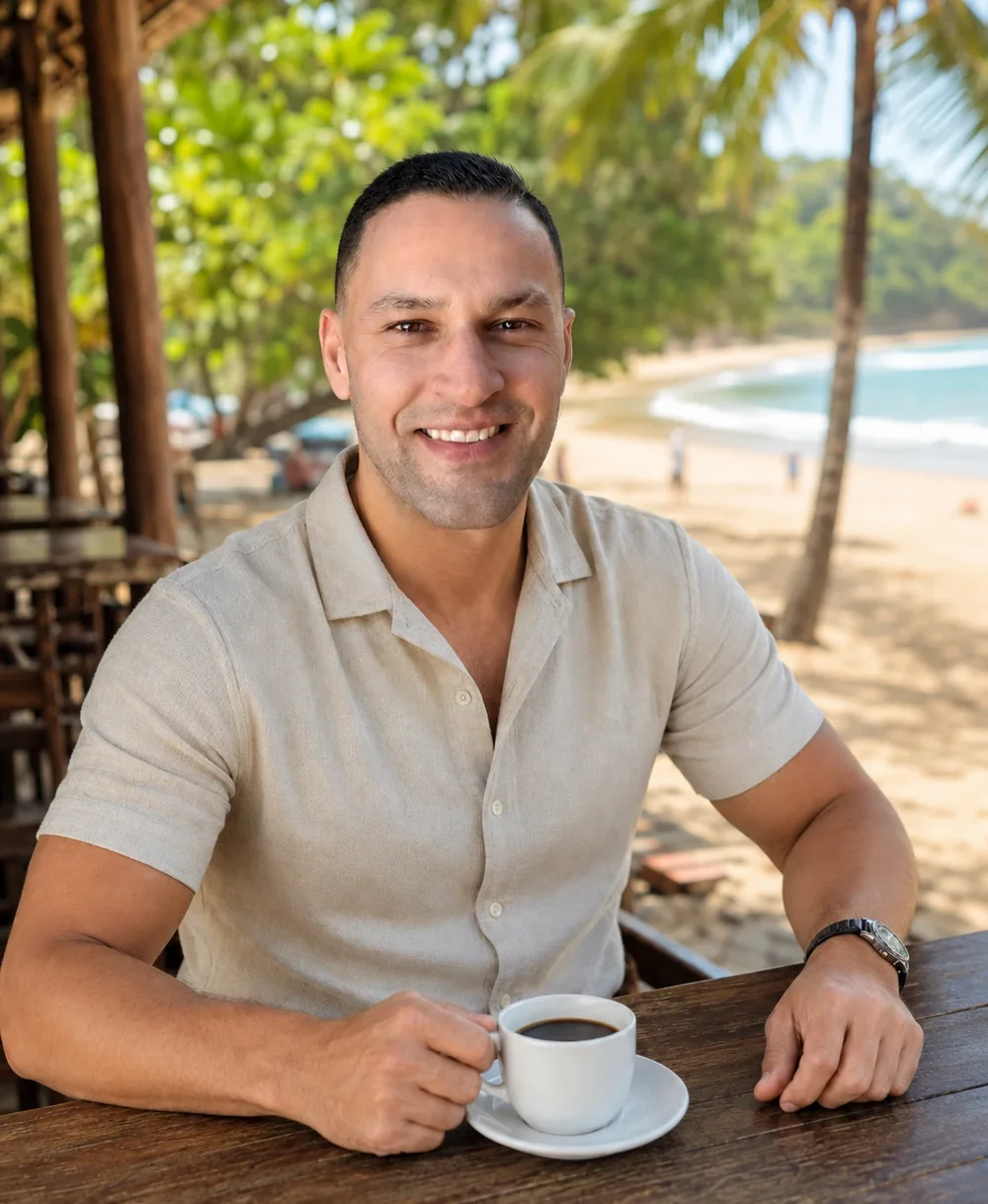
"Is it safe?" is one of the first questions I get from buyers, usually right after they've read a headline about Costa Rica's crime numbers. It deserves a better answer than "pura vida, don't worry about it." I live in Playas del Coco, I walk to dinner here, and I show homes from Ocotal to Playa Panamá every week. Here's the picture as I see it, with the official numbers alongside so you can judge for yourself.
The Realistic Picture
The U.S. State Department rates Costa Rica at Level 2: Exercise Increased Caution, reaffirmed in April 2026 and the same level it gives several popular European destinations. Canada's travel advice, updated in September 2026, says to exercise a high degree of caution countrywide due to crime, with no regional "avoid non-essential travel" zones.
The headline number is homicides. Costa Rica's Judicial Investigation Agency (OIJ) recorded 873 homicides in 2025, the third-highest year on record. San José province accounted for 293, Limón for 172, and Puntarenas for 130; Guanacaste recorded 79. From 2020 to 2025, OIJ classified roughly half of all homicides as ajuste de cuentas, score-settling between criminal groups, largely tied to the drug trade. It also counted 85 bystander victims in 2025, which is why Costa Ricans take the trend seriously.
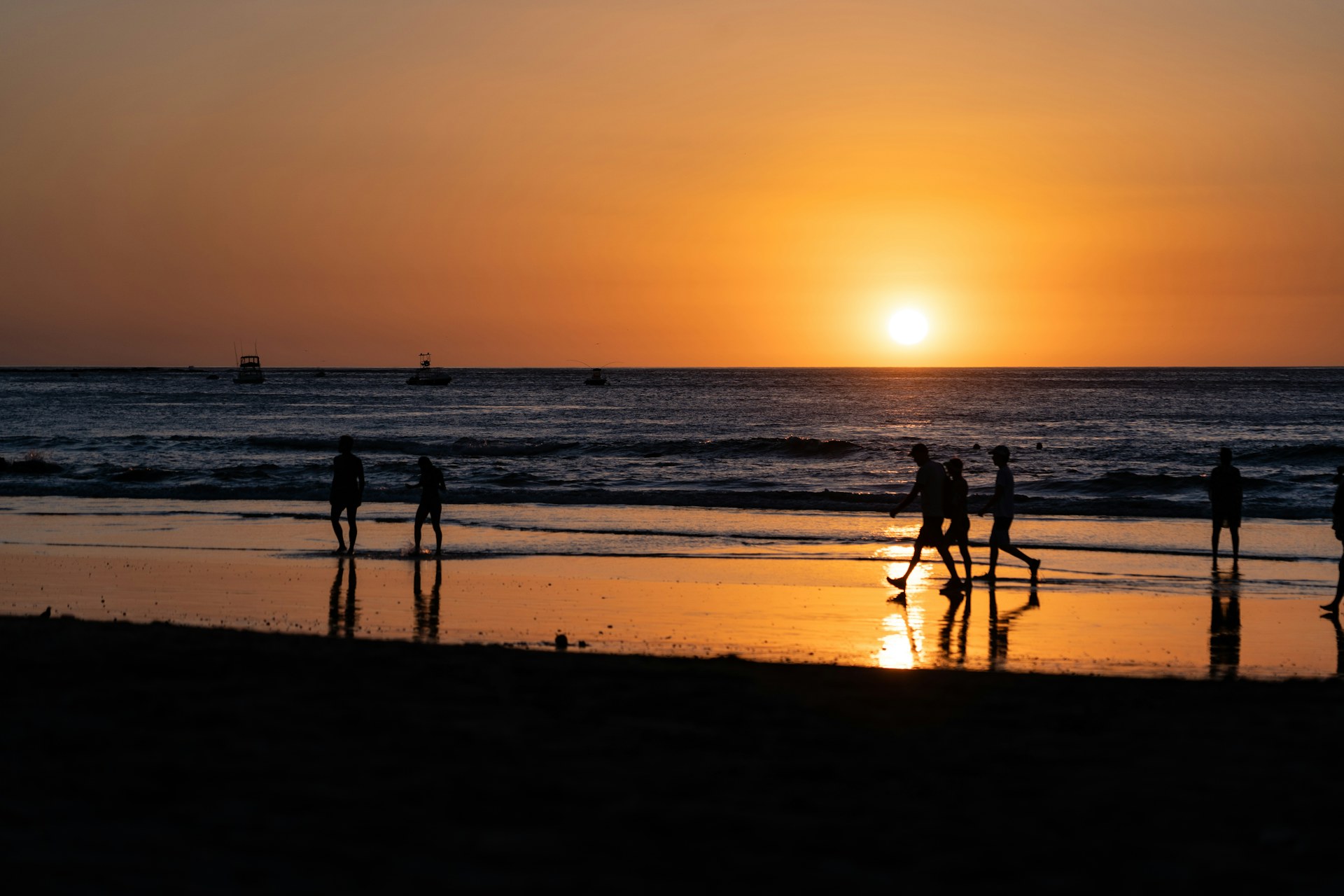
I won't pretend Guanacaste is untouched. But that violence is concentrated among people involved in that world, and it isn't what a family walking the beach at sunset in Coco is dealing with. What you're realistically dealing with is theft.
What Crime Actually Looks Like in Coco
Coco is the busiest town on this stretch of coast, with a working boat bay, a main street full of restaurants, and plenty of visitors. What I actually hear about from neighbors and clients:
- Theft from cars. Canada's advice calls car break-ins "very common," with rental cars a favorite target. A backpack on the seat is an invitation, even for ten minutes.
- Unattended beach bags. Phone, wallet, and car keys on the sand while everyone swims is the classic Coco mistake.
- Break-ins at empty homes. Canada specifically mentions rentals and homes owned by foreigners. A house that looks unoccupied for weeks is an easier target than one that's lived in.
The neighboring areas feel different. Ocotal and Playa Hermosa are quieter and more residential, with many gated communities, Playa Panamá centers on newer developments and resorts, and inland Sardinal is a local town where neighbors know each other. For Coco itself, see my Playas del Coco town guide.
Nightlife Common Sense
Coco has the liveliest nightlife in the area, and the usual beach-town rules apply:
- Watch your drink. Canada warns that drinks and snacks can be spiked.
- Take a taxi or a driver you know home rather than walking a dark stretch of beach alone, which the U.S. advisory specifically recommends against.
- Carry one card and a little cash, not your passport.
- If you're ever robbed, hand it over. Both governments advise not resisting.
Protecting Your Home: Condo vs. House
For buyers, the real question is less "Is the town safe?" and more "How do I keep my property safe when I'm not here?" The type of property makes a big difference.
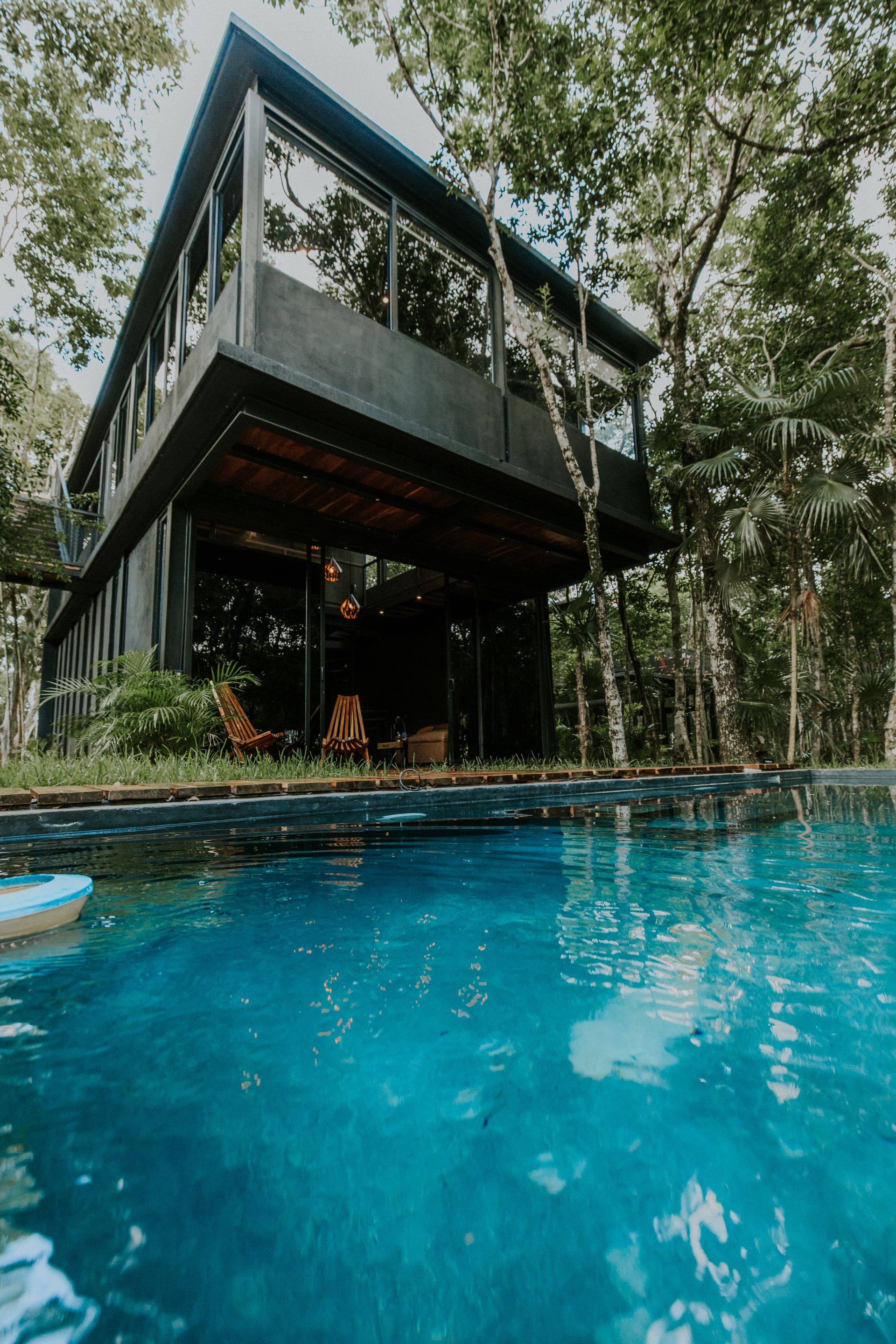
Condos and small communities are the easiest lock-and-leave option: neighbors on the other side of the wall, shared grounds, and often controlled parking. Bromelias 5, a condo in a community just off the beach in Coco, is typical of what many part-time owners choose for exactly this reason. Gated communities with guards add another layer; Los Almendros 15 in Ocotal sits in a gated oceanfront community with 24-hour security. HOA fees are higher, but so is the peace of mind.
Standalone houses give you privacy and land, and more responsibility. Plan on a monitored alarm (not just a siren), cameras you can check from your phone, exterior lighting on timers, and solid locks. Window bars (rejas) are common here and don't signal a bad neighborhood. Get to know your neighbors; in small towns they notice things before any camera does.
Whatever you buy, a house that looks lived-in is a safer house. A property manager, a trusted caretaker, or well-managed rental guests all help; I cover the options in renting out your Costa Rica property. And insure it. The state insurer, INS, offers home policies such as Hogar Comprensivo, covering fire, natural events including earthquakes, and theft, though theft coverage depends on the home's security measures. Private insurers operate here too. Get a quote before closing and ask exactly what a theft claim requires.
The Roads Are the Bigger Risk
If you ask what actually worries me day to day, it's driving. The U.S. advisory notes that Costa Rica has one of the highest traffic accident rates in the world, and COSEVI, the national road-safety council, recorded 572 on-scene road deaths in 2025 (preliminary figures), with motorcyclists the largest share. Around here, that means:
- Night driving: little lighting, few shoulders, and pedestrians and cyclists often without lights. I avoid unfamiliar roads after dark.
- Motorcycles passing on both sides. Check your mirrors twice before turning.
- Livestock: cows and horses on the road are a real thing between Sardinal and the beaches.
- Rainy season (roughly May to November): potholes, washouts, and flooded low crossings. If you can't see the bottom, don't drive through it.
Staying long-term? Read my guide to getting a Costa Rica driver's license.
Ocean Safety
Coco sits in a sheltered bay on the Gulf of Papagayo, and the water is usually calm, which is one reason families like it. Calm isn't risk-free. Both governments warn that rip currents cause drownings every year, and Canada notes that most Costa Rican beaches have no lifeguards or warning signs, so don't count on one in Coco, Ocotal, or Hermosa. Swim away from anchored boats and the boat launch. From roughly December to April, the strong Papagayo winds blow offshore and can push kayaks and paddleboards out quickly. If you're ever caught in a current, swim parallel to shore.
Earthquakes, Storms, and Fire Season
Earthquakes are part of life here. The magnitude 7.6 Nicoya earthquake of September 5, 2012, was one of the strongest in the country's history, yet damage was relatively limited, which engineers credited partly to Costa Rica's seismic building code and local preparation. Have an independent inspector and your attorney confirm a home was built with permits, especially older or owner-built houses.
Hurricanes rarely hit Costa Rica directly, and Guanacaste sits outside the main Caribbean hurricane track; Hurricane Otto in 2016 was the first on record to cross the country. The Pacific side still feels indirect effects: Tropical Storm Nate in 2017 caused severe flooding in Guanacaste. Check drainage and whether a lot sits low. Dry-season fires are the other hazard: SINAC reported 115 forest fires nationwide in the 2026 season, with Guanacaste's conservation areas among the hardest hit, most of them human-caused. On hillside lots, keep dry brush cleared.
Health and Emergencies
The emergency number in Costa Rica is 911. Coco has pharmacies and clinics for everyday needs, but for anything serious you're heading to Liberia, about 30 to 40 minutes away: the public regional Hospital Dr. Enrique Baltodano Briceño (CCSS) or the private Hospital San Rafael Arcángel, which runs a 24-hour emergency room. Complex cases may be transferred to San José. See my comparison of Caja vs. private health insurance.
Real Estate Scams to Watch For
This is the risk buyers underestimate most, because it happens online.
- Fake listings and rentals: copied photos, a too-good price, and pressure to send a deposit before you've seen the property. Verify with the brokerage directly.
- "Owners" who aren't owners: your attorney should confirm title in the National Registry before any money moves. Canada also recommends choosing your own lawyer rather than one the seller suggests.
- Wire fraud: in 2025, the FBI's Internet Crime Complaint Center logged 12,368 real estate fraud complaints and $275.1 million in reported losses. Never trust wiring instructions sent by email. Call your attorney or escrow company on a number you already have and confirm every detail. A last-minute "change of bank" is a red flag, every time.
My guide to sending money for a house purchase walks through the safe way to do it.
Local Safety Checklist
- Leave nothing visible in the car, and check the doors by hand after locking.
- At the beach, someone watches the bag, or the valuables stay home.
- After dark, take a taxi or a known driver, and watch your drink.
- Save 911 and your nearest Liberia hospital in your phone.
- Avoid unfamiliar rural roads at night, especially in rainy season.
- Swim away from boats, and check the wind before you paddle out.
- Homeowners: monitored alarm, exterior lighting, someone checking the house while you're away, and home insurance.
- Confirm every set of wiring instructions by phone, on a number you already trust.
None of this is meant to scare you off; plenty of North Americans live here happily with exactly these habits. My guide to moving to Costa Rica and the breakdown of the cost of living in Playas del Coco cover the rest of the picture, and my featured listings show what's on the market now.
Frequently Asked Questions
Is Playas del Coco safe for tourists?
Generally, yes. The crime that most affects visitors in Coco is opportunistic theft, like bags left on the beach and valuables left in cars, rather than violence. Normal beach-town precautions apply.
Is it safe to walk around Playas del Coco at night?
The main streets near the beach are busy in the evening, and most people walk to dinner without issue. Avoid walking alone on dark stretches of beach or unlit roads late at night, and take a taxi or a known driver home after a night out.
Is the water in Playas del Coco safe for swimming?
Coco sits in a sheltered bay and the water is usually calm, but don't count on a lifeguard. Swim away from anchored boats, be careful on kayaks and paddleboards when the Papagayo winds blow offshore (roughly December to April), and if caught in a current, swim parallel to shore.
Is it safe to leave a vacation home in Coco empty for months?
It can be, with the right setup. Houses that look empty are a common target for break-ins, so owners who are away for long periods usually choose a condo or gated community, or use a monitored alarm, cameras, and a property manager or caretaker who visits regularly, plus home insurance.
What is the emergency number in Costa Rica, and where is the nearest hospital?
The emergency number is 911. The nearest hospitals are in Liberia, about 30 to 40 minutes from Coco: the public Hospital Dr. Enrique Baltodano Briceño and the private Hospital San Rafael Arcángel, which has a 24-hour emergency room.