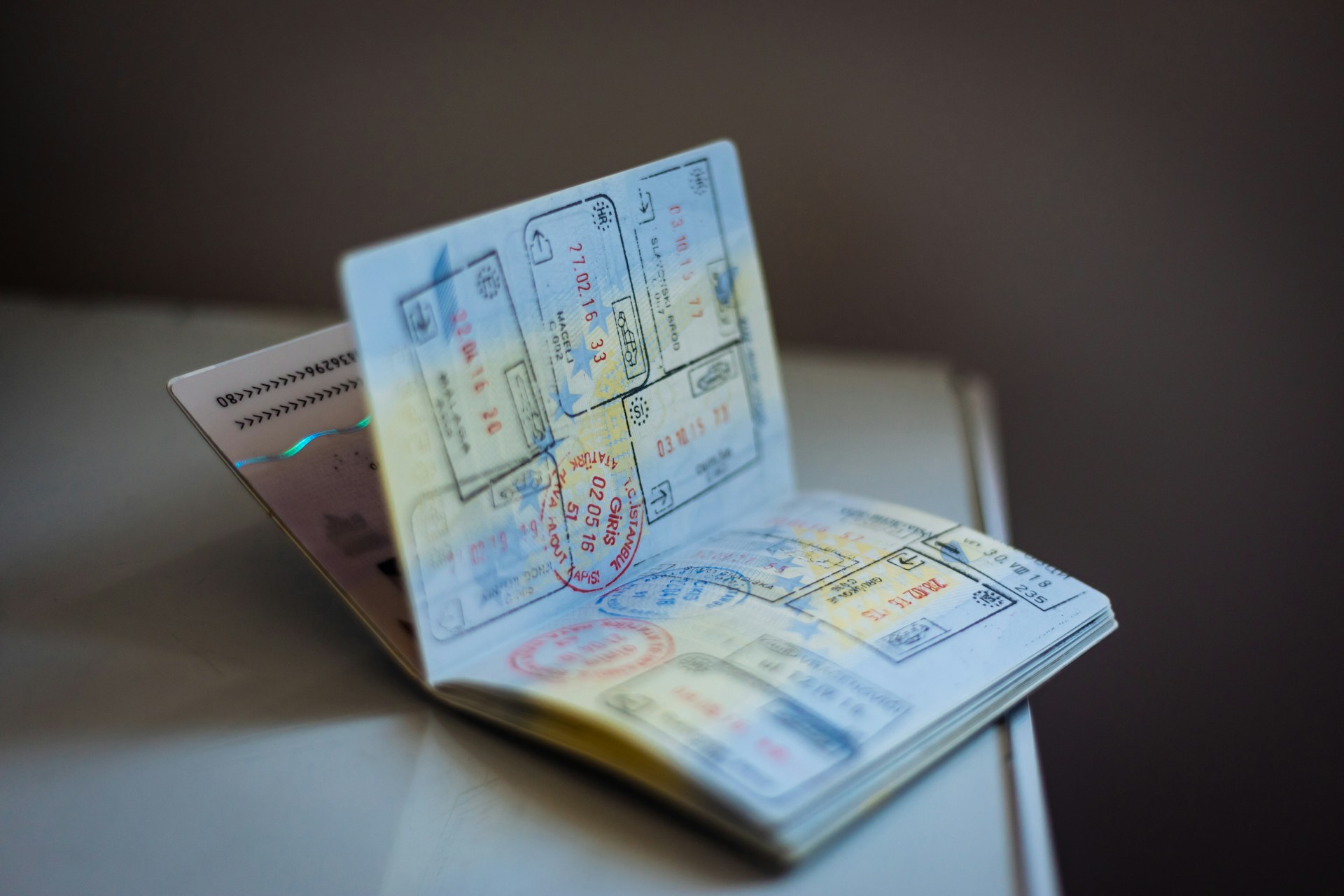
Of the three main residency categories, Inversionista is the one that gets the most questions from buyers who are already writing an offer. It makes sense: if you're putting real money into a property here anyway, it's fair to ask whether that purchase can also get you legal residency. It can, but the category has more moving parts than "buy a house, get a visa," and a few of those parts have gotten murkier in 2026, not clearer.
How Much You Actually Need to Invest
The Inversionista category currently requires a minimum documented investment of $200,000 in Costa Rican real estate, registrable property, shares in a Costa Rican company, securities, or an approved productive project, with a lower $100,000 threshold available for certain certified reforestation and forestry projects.
Between 2021 and July 14, 2026, Law 9996 temporarily lowered that minimum to $150,000 and added extra tax perks, including duty-free import of household goods and a vehicle, as an incentive to attract investors. That five-year window has now closed: the tax perks are gone, and the investment minimum has reverted to its original $200,000 baseline. If you see $150,000 quoted anywhere, including in older articles, listings, or forum posts, treat it as out of date, and confirm the current figure with an immigration attorney before you commit funds.
Why the Property Should Be in Your Own Name
For real estate specifically, the investment is most straightforward when the property is registered directly in your own name at the Registro Nacional, not inside a passive holding company. I get this question constantly from buyers who assumed the standard Costa Rica advice, "buy through an S.A.," applies here too. It generally doesn't. I've covered the mechanics of corporate versus personal ownership in a separate post on buying through a corporation versus your own name, including why a passive company that just holds one property generally doesn't qualify for Inversionista purposes, and what an active company would need to meet instead. If a company is already part of your plan for other reasons, loop your immigration attorney in before you close, not after.
The Inversionista Application, Step by Step
- Close on qualifying real estate in your own name, with the deed properly recorded at the Registro Nacional.
- Get a certified public accountant's (contador público autorizado) certification, or a sworn appraisal, documenting the investment's value at or above the current minimum.
- Assemble your personal file: apostilled passport, birth certificate, and police clearance, translated into Spanish where required.
- Keep a clean, traceable record of how the purchase funds entered Costa Rica.
- File the Inversionista application with the DGME (Dirección General de Migración y Extranjería), typically through an immigration attorney.
- Once approved, register with your home country's consulate in Costa Rica, as most residency categories require.
My closing costs guide covers what the property purchase itself involves, and my banking guide is worth reading before you wire the funds, since a documented, traceable transfer matters for your Inversionista file as much as it does for the closing itself.
How Long Approval Actually Takes
DGME has historically quoted a processing estimate in the range of a few months once a complete file is submitted. In practice, immigration attorneys report real-world timelines running considerably longer, often 9 to 15 months and sometimes more, depending on DGME's backlog at the time you apply. You're generally allowed to remain in the country on a provisional basis while your application is pending, but plan your timeline around the slower estimate, not the optimistic one, and ask your attorney for their current read on wait times before you count on a specific date.
What Inversionista Status Actually Grants (and Doesn't)
Inversionista gives you renewable temporary residency. It lets you own and manage your own investment, including running a rental property or a business tied to it, but it isn't a general work permit: it generally doesn't let you take a salaried job with a Costa Rican employer. That restriction eases once you convert to permanent residency, which most Inversionista residents can apply for after three consecutive years of maintaining the investment. From there, the same overall path applies as it does for Pensionado and Rentista residents: continuous legal residency can eventually lead to eligibility for citizenship, generally after seven years total, though your immigration attorney can confirm how your specific timeline adds up.
Renewing Your Residency: Keeping the Investment in Place
This is the part people sometimes overlook after the excitement of the initial approval. Renewal generally requires showing that the investment has been maintained continuously since it was approved, not just that it existed on the day you applied. That typically means keeping the property (or replacing it with another qualifying investment if you sell), staying current on the paperwork that proves its value, and meeting basic presence requirements like visiting Costa Rica periodically. If your plans might involve selling within the first few years, or trading up to a different property, talk to your attorney about the timing before you list anything.
How Inversionista Compares to Pensionado and Rentista
The other two residency categories are built around income instead of a lump-sum investment: Pensionado for people with a qualifying lifetime pension, and Rentista for people with a higher, non-pension passive income. I've written a full breakdown of how Pensionado and Rentista actually work, including the income thresholds and how the two compare to each other. The short version for comparing them to Inversionista: if you already have a qualifying pension, Pensionado is usually simpler and cheaper to maintain year to year. Inversionista makes more sense for buyers without a qualifying pension or passive income who are already planning to put capital into Costa Rica anyway.
What Kind of Property Actually Qualifies
"Real estate" is interpreted fairly broadly, but a few practical points come up often. A single property that clears the current minimum on its own is usually the cleanest option, since there's less documentation to assemble and less to track at renewal. Several of my current listings would clear a $200,000 threshold by themselves, including an oceanfront home in Ocotal and Bromelias 5; you can browse the full range on my featured listings page.
Combining two or more smaller properties to reach the minimum is also generally workable, as long as each one is properly registered in your name and documented at its current value, though it does mean more paperwork to keep current at renewal time. Titled land and lots generally count as real estate too, but attorneys tend to recommend extra caution with raw land, particularly anything near the coast that might fall inside the maritime zone's restricted concession area rather than standard fee-simple title. If beachfront land is part of your plan, confirm its exact legal status before it becomes part of your investment file.
Common Mistakes I See
- An appraisal or accountant certification that understates the true investment. Some buyers, worried about property taxes or future transfer costs, are tempted to document a lower value than what they actually paid. That same lower figure can then fall short of the Inversionista minimum on paper, even though the real purchase cleared it.
- Skipping proper registration of the transaction. An investment that isn't cleanly recorded at the Registro Nacional, or funds that can't be traced back to the purchase, can slow down or sink an otherwise qualifying application.
- Buying through the wrong entity. Assuming a standard passive holding company will automatically count, without checking first, is one of the most common and most avoidable mistakes I see. See the corporation post linked above before you decide how to title the purchase.
- Treating rental income as the investment. Inversionista is based on the capital you've invested, not the income the property later generates. Don't confuse the two when you're budgeting for the threshold.
None of this replaces sitting down with an independent immigration attorney early in the process, ideally before you write an offer with residency in mind. I'm happy to point you toward attorneys I trust once you're ready for that conversation.
Frequently Asked Questions
How much do I need to invest to qualify for Inversionista residency?
Costa Rica's Inversionista category currently requires a minimum investment of $200,000 in real estate or a qualifying business, reduced to $100,000 for certain reforestation projects. A temporary law lowered this to $150,000 between 2021 and July 14, 2026, but that discounted rate has expired, so $200,000 is the standing requirement going forward. Confirm the current threshold with an immigration attorney before committing funds to a specific property.
Does the investment property need to be in my own name?
Generally yes. Real estate for Inversionista purposes is most straightforward when it's registered directly in your own name at the Registro Nacional. A property held in a passive holding company generally doesn't qualify; the corporate route requires an active company that meets additional conditions, so confirm with an attorney before you decide how to title the purchase.
Can I combine more than one property to reach the minimum investment?
In many cases yes, as long as each property is properly registered in your name and the combined, documented value meets the current minimum. Some buyers instead choose a single property that clears the threshold on its own, which usually means less paperwork to assemble and less to track at renewal time.
Can Inversionista residents work in Costa Rica?
Not for a Costa Rican employer, and generally not by itself. Inversionista residency lets you manage your own investment or business, but it isn't a work permit for outside employment. That changes once you convert to permanent residency, typically after three years of maintaining the investment.
What happens to my residency if I sell the property?
Renewal generally requires showing that you've maintained a qualifying investment continuously since it was approved, so selling without replacing it with another qualifying investment can put your temporary residency at risk. Once you reach permanent residency after three years, the ongoing investment requirement generally no longer applies, but confirm the details with an immigration attorney before you sell.