Buyers looking at land around Playas del Coco usually ask about the view and the price per square meter. The question I wish came first is simpler: where will the water come from, and can you prove it? In Guanacaste, water is a resource with limits, and a lot without confirmed water can be a lot you legally can't build on. Here's what I walk every land buyer through before we write an offer.
Why Water Is the Hidden Risk in Guanacaste
Guanacaste is the driest province in Costa Rica. The dry season runs roughly from December through April, exactly when high season pushes demand to its peak. Much of the coast depends on groundwater, and coastal aquifers have a weakness: pump them too hard and seawater starts creeping in.
That's not theoretical here. During the severe 2014–2016 drought, wells serving communities like Playa Hermosa and Playa Panamá suffered saltwater intrusion, and the coastal aquifers supplying Coco and Ocotal were under similar pressure. The fix for Coco and Ocotal was the expansion of the Sardinal–El Coco–Ocotal aqueduct, which draws on the Sardinal aquifer inland. It became one of the country's best-known water conflicts: proposed in 2008 with developer financing, halted by the Constitutional Court in 2009, resumed by AyA in 2016 over protests from Sardinal residents who feared for their own supply, and inaugurated in March 2019 to deliver about 70 liters per second for roughly 34,000 people. Hermosa and Panamá, meanwhile, now receive water from the Las Trancas–Papagayo aqueduct, in Panamá's case through its local ASADA.
Those projects made a real difference, but they didn't make water unlimited. Costa Rica's utility regulator, Aresep, reported that about one in five water availability requests in the Chorotega region (which includes Guanacaste) was rejected in 2022, and more than 20 local systems had no technical capacity for new connections as of 2024. In June 2026, AyA's president said publicly that some zones can no longer issue new availability letters at all. The large regional project known as PAACUME is targeted for 2030. (For the town itself, see my Sardinal town guide.)
Who Supplies the Water, and How to Find Out
There isn't one water company. Depending on the exact property, water may come from:
- AyA (Instituto Costarricense de Acueductos y Alcantarillados), the national water utility, which runs the Sardinal–Coco–Ocotal system.
- An ASADA, a community-run water association that operates a local system under AyA's oversight. Where an ASADA is the provider, the letter has to come from the ASADA, not from AyA.
- A municipal system, which some cantons in Costa Rica operate.
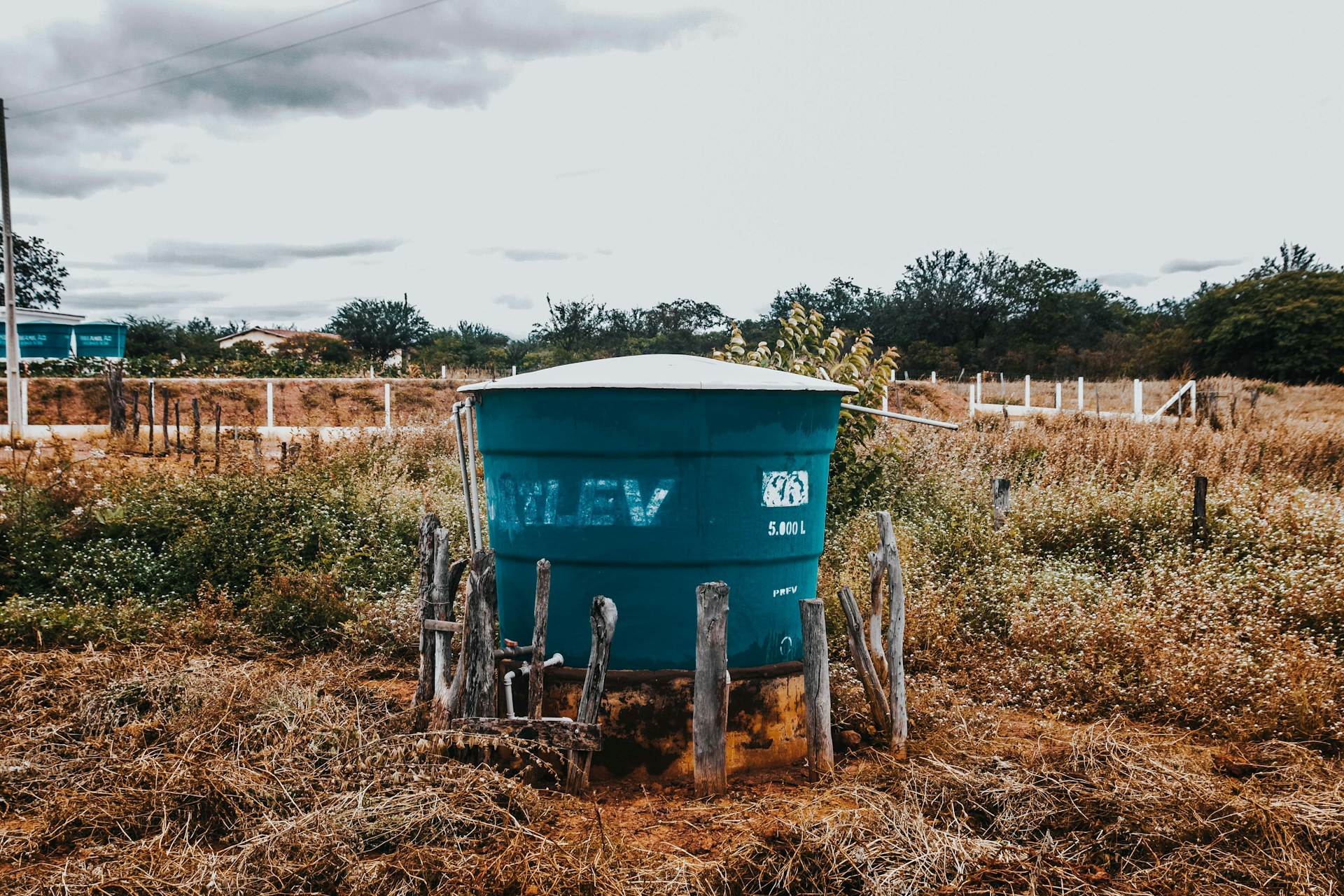
- A private or condominium system, such as a development's own wells, tanks, and distribution network.
Two streets apart can mean two different providers. The easiest way to find out: ask the seller for a recent water bill and the meter number, then contact that provider directly with the property's cadastral plan (plano catastrado). For a vacant lot with no meter, your attorney or engineer can confirm with AyA, the ASADA, and the Municipalidad de Carrillo which system covers that location. Don't rely on a listing that just says "water available."
The Water Letter: What It Is and Why Your Permit Depends on It
The carta de disponibilidad de agua (AyA formally calls it a constancia de disponibilidad de servicios) is the provider's written confirmation that it has real, existing capacity to connect a specific property. It's issued for that property and for a stated use, usually a set number of connections, so a letter for one house doesn't automatically cover three rental units.
Why it matters so much: the municipality won't issue a construction permit without proof of water. No permit means no legal build, and that affects financing, resale, and your ability to get utilities connected later.
Validity: under AyA's service regulations, the letter is generally valid for twelve months from approval. ASADAs may have their own procedures, so read the issue date and stated validity on the letter itself, and ask the provider what happens if it lapses. If a seller hands you a letter from several years ago, treat it as history, not proof. Since 2024, AyA can also issue a constancia de capacidad hídrica for projects where capacity is planned within 36 months, but that's a conditional, forward-looking document for development projects, not the same as water available today.
Why "the neighbor has water" isn't proof: your neighbor may have connected years ago, before the system hit its limit, or may be on a different provider. A system can be full for new connections while every existing house on the street still has water. The only thing that counts is a current letter for your lot.
Wells: The Paperwork Matters as Much as the Water
Many buyers assume they can just drill. But groundwater belongs to the nation, and wells are regulated by MINAE's Dirección de Agua. A drilled well needs a drilling permit, with a technical review by SENARA, the national groundwater agency, and then a concession to use the water. Hand-dug wells for strictly domestic use on the same property don't need a concession but still have to be registered. The process involves a geologist, a registered driller, public notice, inspections, and an annual fee for the water used. Costs and timelines vary by site, so get quotes from a local hydrogeologist.
An unpermitted well is a liability, not an asset: it can bring fines or closure, and it may not be accepted as a water source for your building permit. Near the coast, authorities are cautious about new wells precisely because of the saltwater risk. If a seller says "there's a well," ask for the permit and concession documents, in whose name they are, and what flow they authorize.
Water in Condos and HOAs
A condo, like Bromelias 5 in Coco, already has its connection, but understand the system. Ask whether each unit has its own AyA or ASADA meter or the building shares a master meter; whether the condominium has its own wells, and if so, whether they hold a valid concession; how much storage the tanks hold and how long they last during an outage; and whether dry-season cuts have happened and how the HOA handled them. HOA minutes and budgets show whether pumps, tanks, or water trucks are a recurring expense.
Water Due Diligence Before You Make an Offer
- Who is the provider for this exact property: AyA, an ASADA, a municipal or a private system?
- Is there a water availability letter for this lot? What's its issue date and stated validity?
- Does the letter match the property's cadastral plan and the use you intend (number of homes or units)?
- Is the provider currently accepting new connections in this area?
- For an existing home: is the meter in the seller's name, and is the account paid up?
- If there's a well: are the drilling permit and concession (or registration) valid, and in whose name?
- For a condo: individual meters or a master meter, tank storage, and any history of dry-season cuts?
- Can the offer be made conditional on your attorney confirming the water documents?
What It Means for Building vs. Buying
I've covered the bigger trade-offs in building vs. buying in Guanacaste, so I'll keep this to water. If you're buying land to build, the water letter is the gate: no letter, no permit, no build. Some lots are marketed with utilities already at the property line, like the Ready To Go Coco Lot on the road to Ocotal, and that's a real advantage, but your attorney should still see the paperwork for any lot, including the ones I list. If you're buying an existing home, confirm the connection is legal and in good standing, and remember that adding a casita or rental units later may require new availability that isn't guaranteed. You can browse both options in my featured listings.
Who Should Be on Your Team
Don't leave water due diligence to the seller. I recommend an independent attorney who represents you, not the seller, to review the letter, any well concessions, and the title, and a local engineer or topógrafo who can confirm the cadastral plan, the location of the connection point, and what the municipality will ask for. Budget for this; it's a small line next to everything in my closing costs guide. If the property is near the beach, also read up on the maritime zone, since that's a separate layer of rules.
Frequently Asked Questions
What is a water availability letter in Costa Rica?
It's a document, usually called a carta or constancia de disponibilidad de agua, in which the water provider that serves an area (AyA or the local ASADA) confirms it has the real, existing capacity to connect a specific property. It's issued for that property and a stated use, and the municipality asks for it before issuing a construction permit.
How long is a water availability letter valid?
Under AyA's service regulations, a constancia de disponibilidad is generally valid for twelve months from its approval date. ASADAs can have their own procedures, so check the issue date and the stated validity on the letter itself, and confirm with the provider whether it can be renewed or would need a new request.
If the neighbors have water, does that mean my lot does too?
No. Your neighbor may have connected years ago, before the system reached its limit, or may be served by a different provider. Many systems in Guanacaste are not accepting new connections, so the only proof that counts is a current letter issued for your specific lot.
Can I just drill a well instead?
Not without permits. Groundwater in Costa Rica belongs to the nation, so a drilled well needs a drilling permit from MINAE's Dirección de Agua, with SENARA's technical review, plus a concession to use the water. Hand-dug wells for strictly domestic use on the same property still have to be registered. In Guanacaste a well is rarely a simple fallback, so confirm with an attorney and a hydrogeologist before counting on one.
Does buying an existing house avoid the water issue?
Mostly, but not completely. An existing home should already have a legal connection, so confirm it's in the seller's name, paid up, and served by a known provider. If you plan to add a casita, extra units, or a bigger pool, you may need new availability, which is not guaranteed.