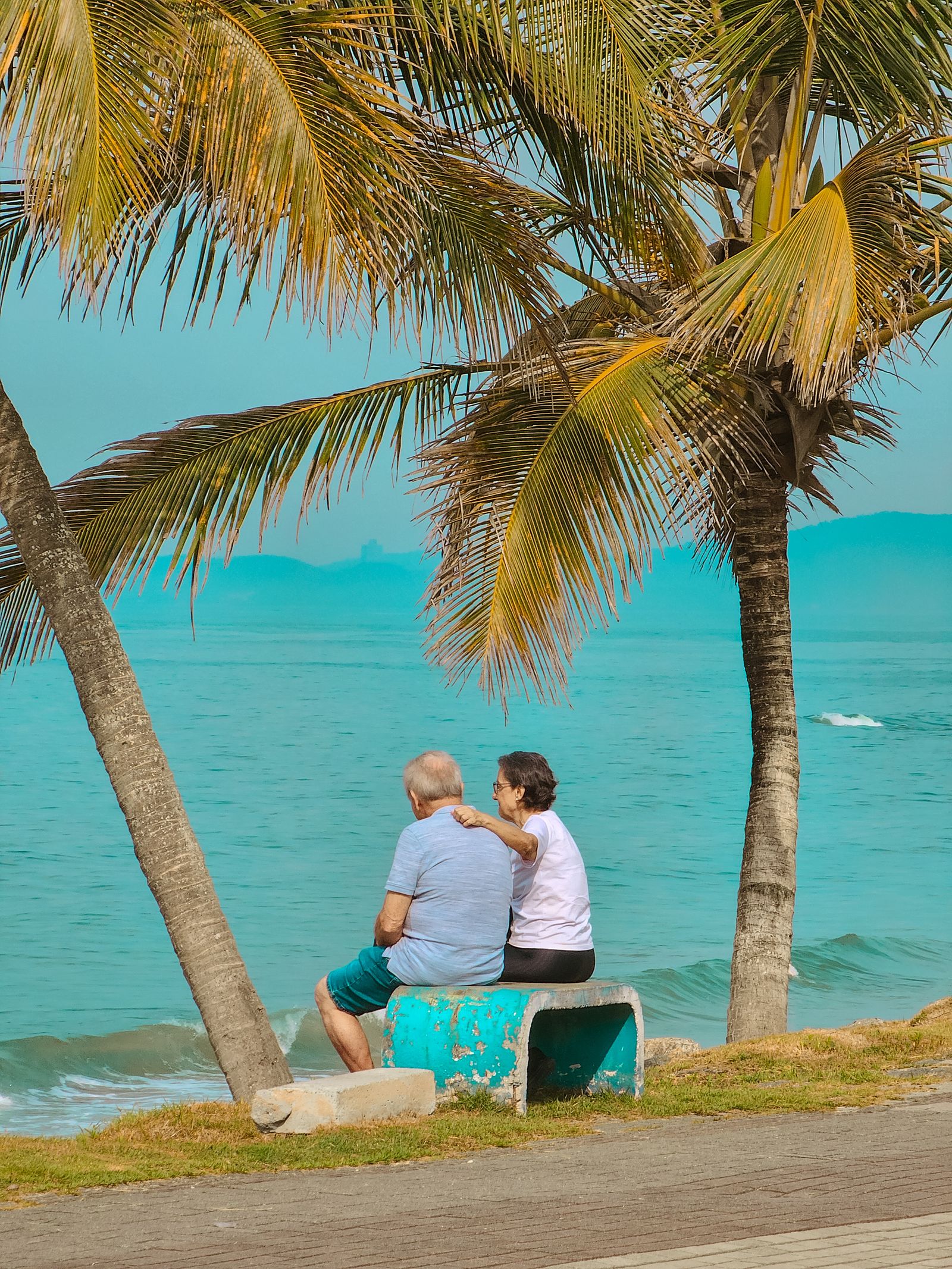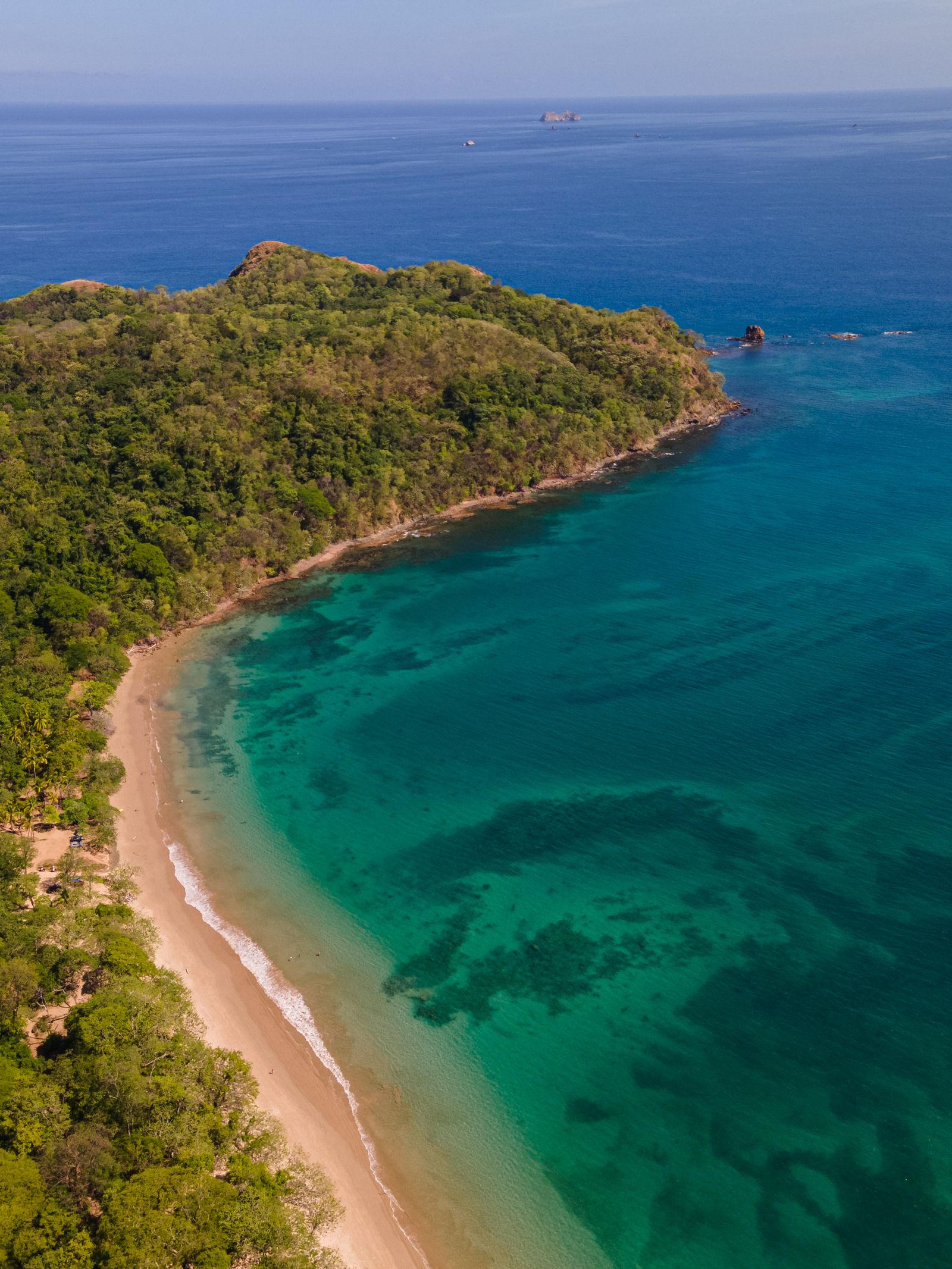
Every fall, the same two names come up on Canadian snowbird forums: Costa Rica and Mexico. Both are a direct flight away, both trade a February in Winnipeg for a February on the beach, and both have well-established Canadian communities that make the first winter easier. But they're not the same trip, and they're not the same budget. Here's an honest, line-by-line comparison based on what I see with Canadian clients spending a season in Guanacaste, weighed against what's commonly reported for Mexico's Pacific coast.
Flights and Getting There
Direct winter flights from major Canadian cities serve Liberia (Guanacaste's international airport) and the main Mexican Pacific hubs at fairly comparable price points in season. Mexico has more route frequency overall simply because of its size and the volume of Canadian traffic, which can mean more flexible dates and occasional lower fares.
Monthly Housing Costs
A comfortable furnished rental near the beach in Guanacaste for a winter season typically runs somewhat higher than an equivalent rental in well-established Mexican snowbird towns, partly because Costa Rica's tourism-driven rental market skews toward higher-end vacation properties rather than long-term local rental stock. Negotiating a multi-month "temporada" rate directly with an owner narrows that gap considerably in both countries.
Everyday Living Costs
Groceries, restaurant meals, and local transportation tend to run higher in Guanacaste than in most Mexican snowbird destinations, largely because Costa Rica imports more of what it sells and has a stronger currency relative to production costs. It's not a dramatic gap for most day-to-day spending, but it adds up over a three- or four-month stay.
Visa-Free Stay Length
Costa Rica typically grants Canadian visitors up to 180 days on entry, which comfortably covers most snowbird seasons without any paperwork. Mexico's tourist entry is also commonly granted for up to 180 days, though the exact stamp is at the discretion of the immigration officer at the border, so it's worth confirming what you actually receive when you land, especially if your plans run close to that limit.
Buying Property as a Foreigner
This is one of the more meaningful differences if a snowbird season turns into a "should we buy something" conversation. Costa Rica allows foreigners to hold titled property directly in their own name, with the same ownership rights as a citizen, outside a narrow strip of maritime zone land. Mexico requires foreigners to hold coastal or border-zone property through a fideicomiso, a bank trust structure, which adds an annual trustee fee and an extra layer most Canadians aren't used to managing.
Safety and Peace of Mind
Both countries have areas that feel completely safe for a Canadian retiree and areas a local would tell you to avoid, and Guanacaste specifically has built its reputation as one of the calmer, more insulated regions in Costa Rica. The honest advice for either country is the same: talk to people who actually live where you're considering, not just the tourism board.
Frequently Asked Questions
Is Costa Rica more expensive than Mexico for a snowbird season?
Generally, yes, a bit. Everyday costs like groceries, dining out, and local transportation tend to run somewhat higher in Guanacaste than in popular Mexican snowbird areas, though it varies a lot by neighborhood and lifestyle on both sides.
Which country lets Canadians stay longer without a visa?
Costa Rica typically grants Canadian visitors up to 180 days on entry, longer than Mexico's typical tourist entry, which is commonly granted for up to 180 days as well but is more often stamped for less at the border agent's discretion. Always confirm your specific stamp on arrival.
Is property ownership simpler for foreigners in Costa Rica or Mexico?
Costa Rica generally allows foreigners to hold titled property directly in their own name with no special structure required outside the maritime zone. Mexico requires foreigners to hold coastal or border-zone property through a bank trust called a fideicomiso, which adds an extra layer and an annual trustee fee.