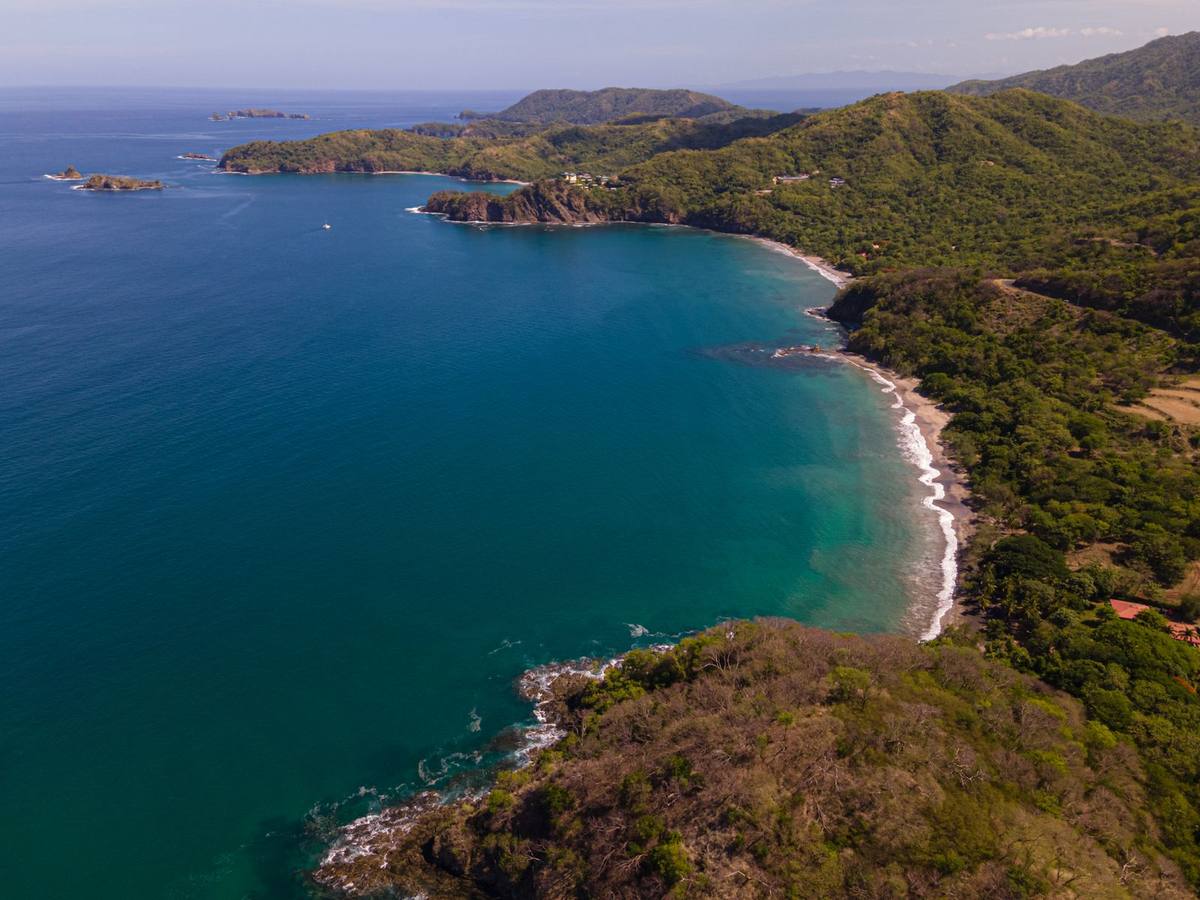
This comes up constantly with Canadian clients planning a winter in Guanacaste, especially ones who split the year between here and home rather than moving permanently. The good news: for most snowbirds, the answer is simpler than the immigration forums make it sound.
The 180-Day Rule
Canadian citizens can generally be granted a tourist stay of up to 180 days on entry into Costa Rica. That's a real, meaningful number, but it's worth being precise about what it means: it's the maximum immigration may grant, decided by the officer at the border on the day you arrive, not a fixed entitlement you can count on down to the last day. Most visitors do receive close to the full period, but it's not guaranteed in writing until your passport is actually stamped.
What This Means for Snowbirds
A typical Canadian winter season in Guanacaste runs somewhere between four and six months, from around November to April. That fits comfortably inside a single 180-day stay, which is exactly why most seasonal residents here never bother applying for formal residency at all. If your plan is to spend the coldest months in Coco or Ocotal and then head home before hurricane season back in Canada even starts, the tourist stay alone usually covers it.
Do You Have to Leave the Country?
Yes. Once your authorized stay expires, you need to exit Costa Rica before you can be granted another one. There's no official rule dictating a minimum number of days you must spend outside before returning, but immigration officers do have discretion, and a pattern of very short trips out and immediately back in can draw more scrutiny than a longer, more natural gap. Most snowbirds solve this simply by timing their trip to line up with when they were heading home anyway.
When Residency Might Make Sense Instead
If you're picturing something closer to eight, ten, or twelve months a year here, rather than a defined winter season, that's the point where formal residency starts being worth a real conversation, particularly the Pensionado or Rentista categories if you qualify. I cover the specifics of those paths, including the income requirements, in my guide to moving to Costa Rica.
Frequently Asked Questions
How long can a Canadian stay in Costa Rica without a visa?
Canadian citizens can typically be granted up to 180 days per stay, though the exact number of days is determined by Costa Rican immigration at the point of entry, not guaranteed in advance.
Do I have to leave Costa Rica once my tourist stay ends?
Yes. Once your authorized stay expires you need to exit the country before you can be granted another tourist stay. There's no official minimum time you have to remain outside, but immigration officers have discretion, so a quick turnaround trip is more likely to raise questions than a longer one.
Is 180 days enough for most Canadian snowbirds?
For most snowbirds, yes. A typical winter season in Guanacaste runs four to six months, comfortably inside a single authorized stay, so most seasonal residents never need to apply for formal residency at all.