For a lot of the families I work with, the question of whether the dog or cat can come too isn't a side note, it's the thing that decides whether the move happens at all. I get it. The good news is that relocating a pet to Costa Rica is very doable, and plenty of families do it every year without drama. It just takes some paperwork done in the right order, and a little planning for the tropical climate once you land. Here's what actually goes into it.
What Costa Rica Requires: The SENASA Paperwork
Costa Rica's animal health authority, SENASA (Servicio Nacional de Salud Animal), sets the rules for any dog or cat entering the country, and the core requirements are consistent whether you're coming from the US or Canada. In practice, there are a few pieces to have in order:
- A health certificate from an accredited vet. In the US, that means a USDA-accredited veterinarian; in Canada, a CFIA-endorsed one. The exam and paperwork need to happen close to your travel date, commonly within about two weeks of departure, though the exact window is worth confirming with SENASA and your vet before you lock in flights, since these rules do shift.
- Rabies vaccination. Dogs and cats over three months old need a current rabies vaccine on file, and it's smart to build in a comfortable buffer before travel rather than getting the shot at the last minute, even where an exact waiting period isn't strictly enforced at the border.
- A microchip, with the number listed on the health certificate.
- Deworming and external parasite treatment, done within about two weeks of travel, with the product name, lot number, and date recorded on the certificate.
If your pet is flying with you, in the cabin or as checked baggage, that health certificate is generally what you present to the SENASA inspector at the airport. A separate import permit, typically arranged through a customs broker, tends to come into play only if your pet is shipped as unaccompanied cargo. Either way, confirm the current process directly with SENASA or a pet relocation service before you finalize travel dates, since the specifics can change and this is not something you want to guess on.
The Good News: No Routine Quarantine
One thing that stops a lot of people before they even start looking into this: healthy dogs and cats from the US or Canada are not routinely quarantined on arrival, as long as they show up with complete, correctly prepared paperwork. SENASA can and will deny entry to an animal that isn't in order, so the goal is to have everything right, not to test the system. Verify this is still current policy before you travel, requirements evolve, and it's a quick call that saves a lot of stress later.
Getting There: Cargo, Cabin, or Checked Baggage
How your pet actually travels comes down to size, the airline, and how comfortable you are with the cargo hold. Airlines generally sort pets into three categories: in-cabin for small dogs and cats that fit under the seat, checked baggage for slightly larger pets traveling in a climate-controlled hold alongside you, and manifest cargo for bigger animals or unaccompanied travel. The specifics, weight limits, carrier requirements, and fees, vary a lot by airline, so confirm directly with whoever you're booking rather than assuming a policy you read online still applies. For the actual flight options into Guanacaste's airport from the US and Canada, see my guide to direct flights to Liberia, and ask about the pet policy the same day you book the ticket.
What to Budget
Line items to plan for: the vet visit and health certificate (commonly in the $80–$400 range depending on your vet and whether extra tests are needed), SENASA's import permit and stamp fees if your pet ships as cargo (typically a modest amount, well under $50), and your airline's pet fee, which varies by carrier and whether your pet flies in the cabin, as baggage, or as cargo. Some families also hire a pet relocation service to handle the paperwork and logistics end to end, which adds cost but removes a lot of the guesswork, especially useful if you're also coordinating a household move (see my post on what it really costs to ship your belongings to Costa Rica). Get current numbers from SENASA and your airline before you lock in a budget, since fees do change.
Arrival at Liberia International Airport
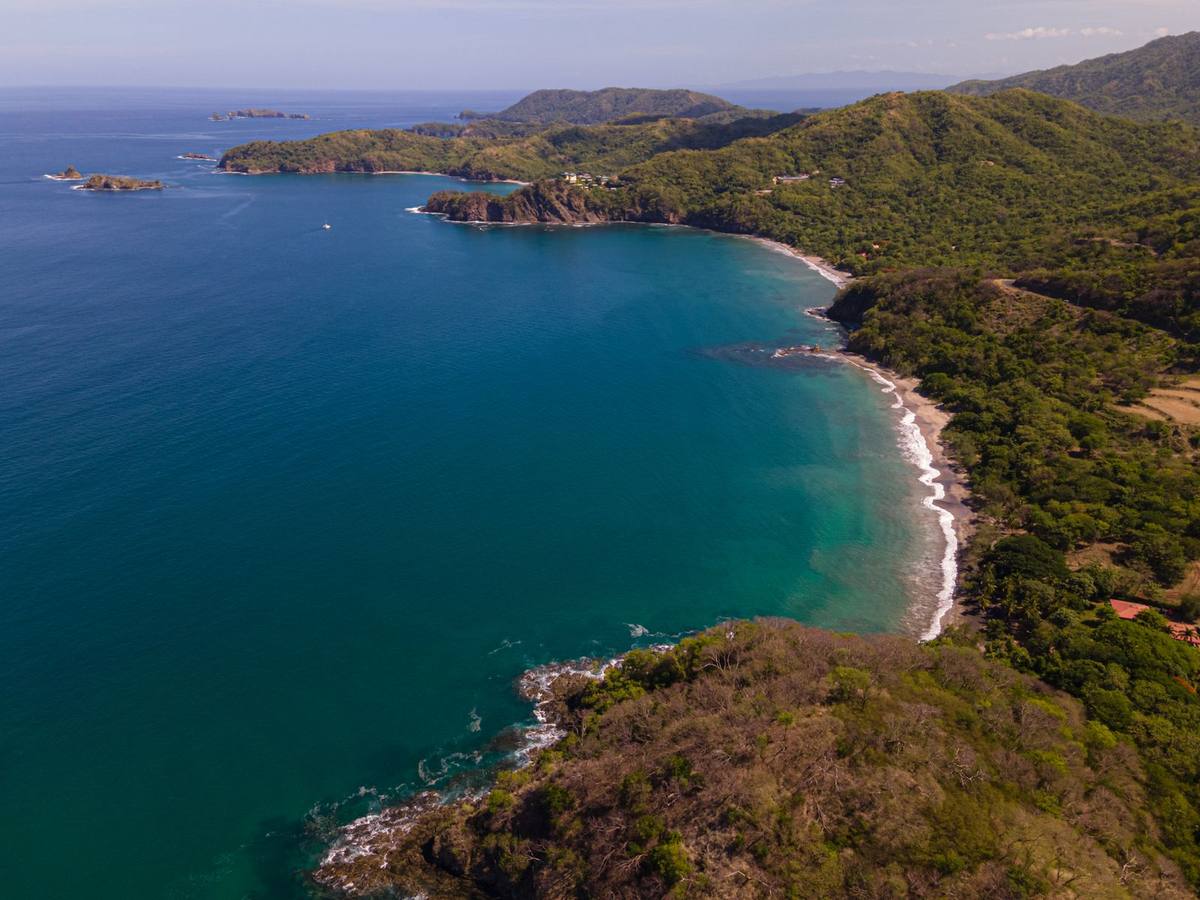
Guanacaste's own airport, Liberia (LIR), handles international arrivals and has SENASA staff on-site to inspect pets and paperwork. Have your documents ready, ideally with a Spanish translation, and expect your pet to be looked over before you clear the rest of arrivals. If you're landing late at night, on a weekend, or during a holiday period, it's worth calling ahead to confirm SENASA staffing at that hour, it's a smaller airport than San José's, and coverage outside normal hours isn't guaranteed. Once you're through, you're minutes from Playas del Coco rather than the two-plus-hour drive from San José, which is one more reason flying directly into Liberia is worth it if Guanacaste is home.
Settling In: Heat, Bugs, and the Occasional Snake
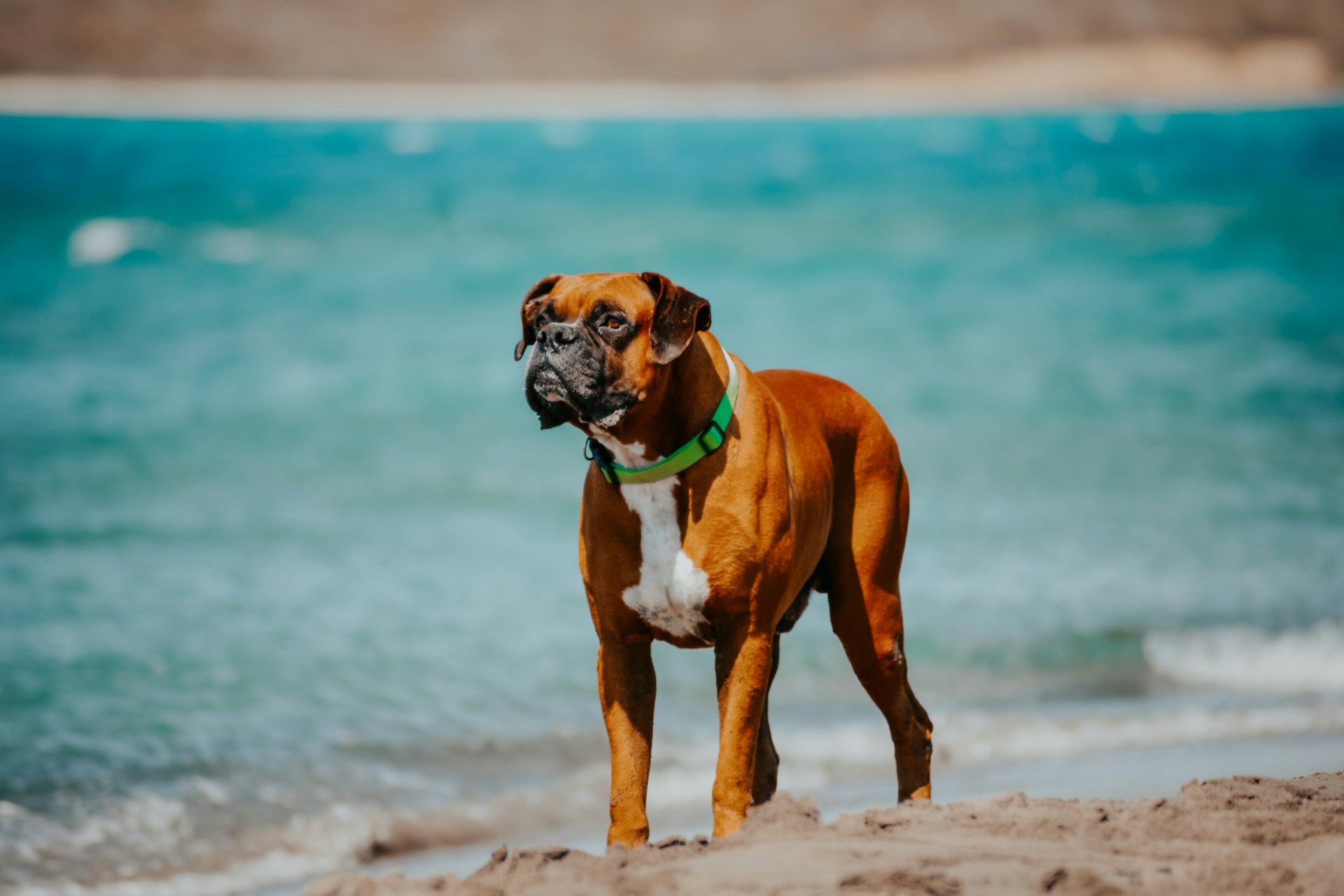
The climate here is the biggest adjustment for most pets, and for their owners. Guanacaste runs hot and humid for most of the year, and dogs in particular overheat faster than people expect, so plan on plenty of shade, fresh water everywhere your pet spends time, and walks in the early morning or evening rather than midday. Parasite prevention matters more here than it probably did back home: ticks and fleas are a year-round issue rather than a seasonal one, and heartworm risk is real given the mosquito population, so talk to a vet about a preventive program as soon as you land. It's also worth being upfront about something that surprises a lot of new arrivals: snakes, including venomous species, are a genuine part of life in rural and semi-rural Guanacaste, and curious dogs are the most common victims. Keep an eye on your yard, especially around dusk, and know where the nearest vet who can treat a snakebite is before you ever need one. Finding a local vet in Playas del Coco or Liberia early, before there's an emergency, is one of the more useful things you can do in your first few weeks here.
Finding Pet-Friendly Housing
Where you live changes how easy all of this is day to day. A house with its own yard gives a dog room to be a dog and takes a lot of the friction out of daily life; a condo or gated community can work just as well, but many have their own pet policies, and some restrict size or breed, so it's worth checking the HOA rules before you fall in love with a unit. I've got a full breakdown of HOA and condo fees in Guanacaste, including how pet policies typically show up in the fine print. If a yard is a priority for you and your pet, browse my featured listings, homes like Los Almendros 15 in Ocotal have real outdoor space, while a condo like Bromelias 5 is a better fit if you'd rather trade the yard for a lock-and-leave lifestyle and a shared pool.
Your Pet Relocation Timeline
Here's roughly how the paperwork and logistics tend to line up. Treat the exact day counts as a starting point, then confirm them against SENASA's current requirements and your airline's policy once you have real travel dates.
8 Weeks Out
- Book a vet visit to confirm your pet is healthy enough to fly, and start any vaccines that need lead time.
- Get your pet microchipped if it isn't already.
- Research airlines flying into Liberia and their specific pet policies (cabin, checked baggage, or cargo).
- If you're using a pet relocation service, book it now, good ones fill up.
10 Days Out
- Schedule the official vet exam and health certificate with a USDA-accredited (US) or CFIA-endorsed (Canada) veterinarian.
- Confirm your pet's rabies vaccination is current and properly documented.
- Complete deworming and external parasite treatment, and keep the product details for the certificate.
- Reconfirm your airline's pet policy, fees, and carrier requirements.
Day of Travel
- Bring the original health certificate (with a Spanish translation, if you have one) and a carrier that meets your airline's specs.
- Arrive early, pet check-in usually takes longer than regular check-in.
- Keep your pet calm and hydrated through security and boarding.
- At Liberia, have documents ready for SENASA inspection before you head to baggage claim.
Every family's situation is a little different, older pets, multiple pets, and animals with health conditions all add wrinkles worth planning around early. If you're weighing the move itself, my guide to moving to Costa Rica covers the human side of relocating to Guanacaste, and I'm always happy to talk through how the pet piece fits into your bigger timeline.
Frequently Asked Questions
Do I need to quarantine my dog or cat in Costa Rica?
No, not routinely. Healthy dogs and cats from the US or Canada that arrive with a complete, correctly prepared health certificate, current rabies vaccination, and microchip are not typically quarantined. SENASA can deny entry to an animal that doesn't meet the requirements, so confirm current policy before you travel.
How far in advance do I need my pet's health certificate?
Generally, the vet exam and health certificate need to happen close to your travel date, commonly within about two weeks of departure. Confirm the exact window with SENASA and your USDA-accredited or CFIA-endorsed veterinarian before booking flights, since timing rules can change.
Does my pet need a microchip to enter Costa Rica?
Yes. A microchip is required, and the number needs to be listed on your pet's health certificate along with rabies vaccination and deworming records.
Can I bring my dog or cat in the cabin on the flight to Liberia?
It depends on the airline and your pet's size. Some carriers allow small dogs and cats in the cabin, others only offer checked baggage or cargo, and policies, weight limits, and fees vary by airline. Confirm directly with whoever you're flying with when you book.
What if my condo or rental doesn't allow pets?
Check before you sign anything. Many condos and HOAs in Guanacaste have pet policies, and some restrict size or breed. If having a yard matters more than a shared pool, a single-family home may be the simpler choice.