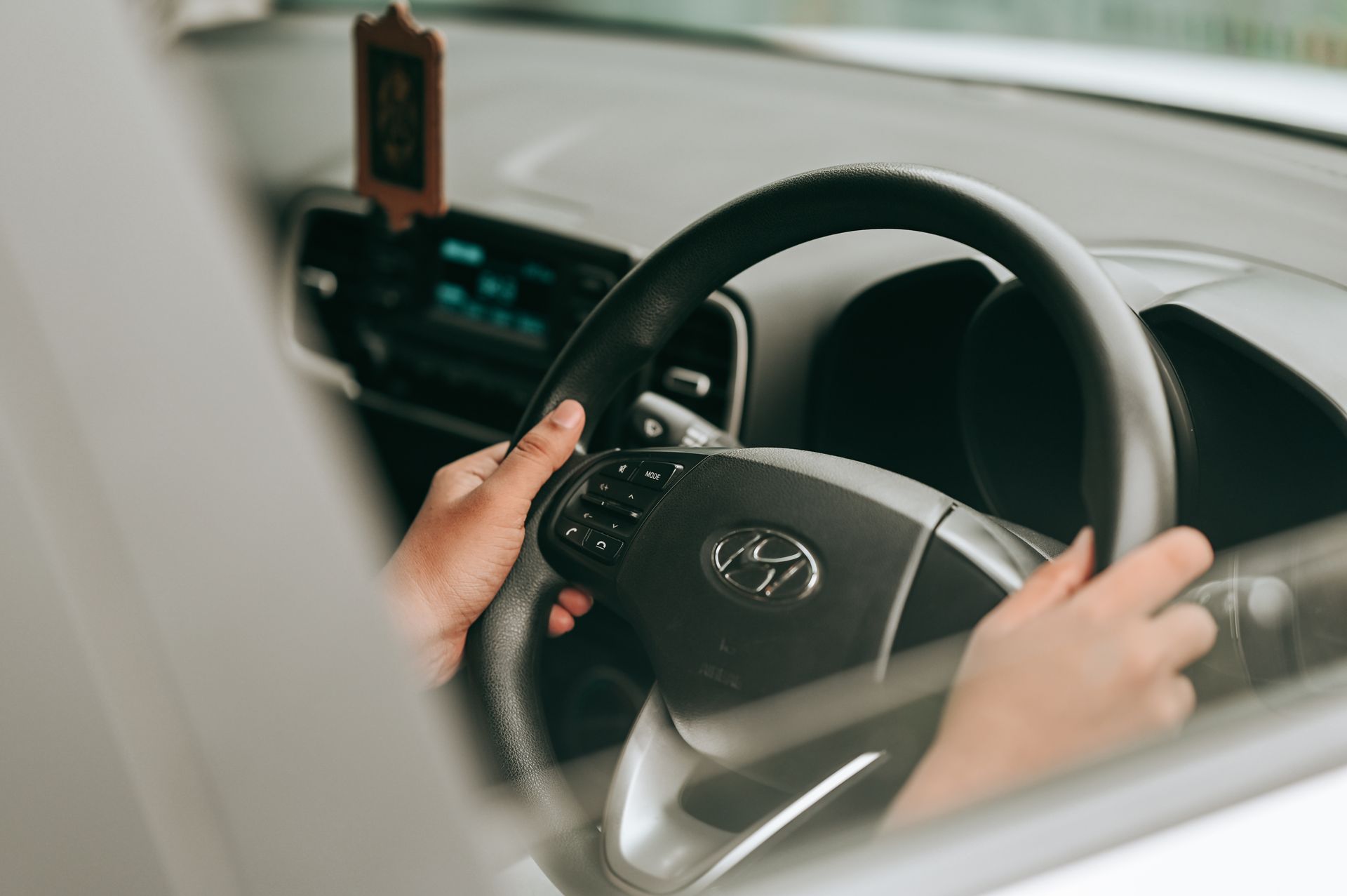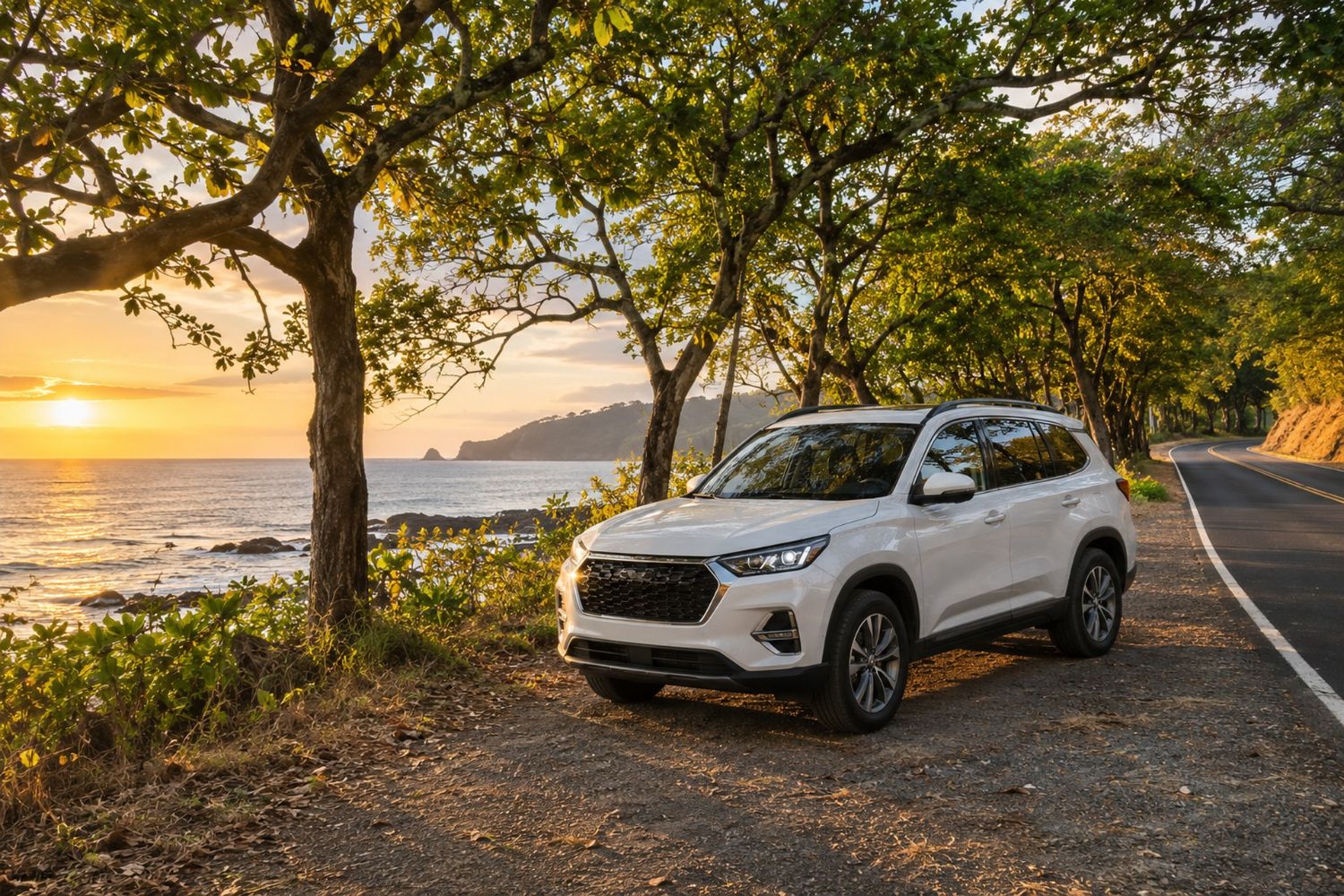
Sooner or later, almost everyone who moves to Guanacaste asks the same question: do I need a car, and if so, do I buy one here or bring mine? The honest answer is that it depends on where you live, and that importing a vehicle is more expensive and more complicated than most people expect. Here is how I would think it through.
Do You Need a Car?
In central Playas del Coco, many daily errands are close enough to do without one. A car matters more if you live in a hillside community or in a nearby town like Sardinal, if you commute to Liberia, or if you want to explore the coast on weekends. Renting a car for the first few months is a low-risk way to find out how much you would really use one. If your road is gravel or steep, especially in the green season, a vehicle with more ground clearance is worth considering.
Why Importing Often Doesn't Pay
Costa Rica taxes imported vehicles heavily, and the tax is built on the vehicle's value, not necessarily on what you paid. Under the rules described in recent reporting, the taxable value is the higher of the commercial invoice (including freight and insurance) or the value the Finance Ministry assigns to an identical vehicle, which it publishes in an online lookup. Published summaries put the combined import taxes, which include customs duty, a selective consumption tax and sales tax, at roughly half the vehicle's value or more, depending on engine size and age. People who are not registered as vehicle sellers are also limited to one imported vehicle per year.
On top of the taxes you pay shipping, a customs broker and registration. For a newer or high-value vehicle the total can be very large, and for an older one the savings you imagined may not materialize. Rules and rates change, so before you ship anything, get a written quote from a customs broker for the exact vehicle. Moving your household goods is a separate question, which I cover in what it really costs to ship your belongings to Costa Rica.
Buying a Car in Costa Rica: What to Check
Local prices for used cars tend to be higher than what you may be used to, but you avoid the shipping and the import taxes. Most of the risk in a local purchase is in the paperwork, so check that before you pay.
- The Registro Nacional record. The registry shows who the registered owner is, whether there are liens or seizure annotations on the vehicle, and its identifying details. The seller should be the registered owner.
- The marchamo. This is the annual circulation tax, and it includes the mandatory insurance. It needs to be current for the car to be on the road legally.
- The technical inspection. Check that the vehicle's technical inspection is current and when the next one is due.
- An independent mechanic. Have the car inspected by a mechanic you choose, and look for signs of accident repair and for rust, since salt air is hard on vehicles near the coast.
- The transfer. A notario público prepares the transfer, which is then registered at the Registro Nacional. Budget a few percent of the vehicle's value for notary and registry costs, and ask the notary for a quote.
- Dealer or private seller. A dealer may offer a limited warranty. Private sales are usually as-is.
Used Car Checklist
- Confirm the seller is the registered owner at the Registro Nacional.
- Check the record for liens, seizure annotations and mismatched identifying details.
- Confirm the marchamo is paid and the technical inspection is current.
- Have an independent mechanic inspect the car before you pay.
- Use a notario público for the transfer, and don't release the full payment until the notary has confirmed the record is clean.
- Ask the notary for a written quote of the transfer costs.
- Ask whether the seller can show service records, and whether any warranty applies.
- Get voluntary insurance for damage and theft, since the mandatory insurance does not cover them.
Insurance, Licenses and Annual Costs
The mandatory insurance bundled into the marchamo covers injuries to people, not damage to vehicles or theft, so most owners add voluntary coverage. Plan for the marchamo each year, the technical inspection, insurance and maintenance, which tends to be higher in humid, salty air. Your foreign license works for a limited time after you arrive, and what changes once you become a resident is covered in getting a Costa Rica driver's license as a foreign resident. For a realistic picture of monthly spending, including transportation, see cost of living in Playas del Coco.
Frequently Asked Questions
Can I bring my car from the U.S. or Canada to Costa Rica?
Yes, but import taxes are heavy and are based on the higher of your invoice or the value the Finance Ministry assigns to the vehicle. Published summaries put the combined taxes at roughly half the vehicle's value or more, and people who aren't registered vehicle sellers are limited to one import per year. Get a written quote from a customs broker before you ship.
Is it cheaper to buy a car in Costa Rica?
For most expats it is the simpler option. Local used-car prices can be higher than at home, but you avoid shipping, import taxes and the customs process. Compare a real broker quote for your vehicle against local prices before deciding.
What is the marchamo?
The marchamo is the annual circulation tax on a vehicle, and it includes the mandatory insurance. It must be current for the vehicle to be on the road legally, and it is renewed every year.
Who handles the transfer when I buy a used car?
A notario público prepares the transfer, which is then registered at the Registro Nacional. Check the vehicle's record before you pay, and ask the notary for a quote of the costs.
Do I need a 4x4 in Guanacaste?
Not always. Paved roads around Playas del Coco are fine for a regular car. If you live up a hill or on a gravel road, especially in the green season, a vehicle with more ground clearance or four-wheel drive is worth considering.