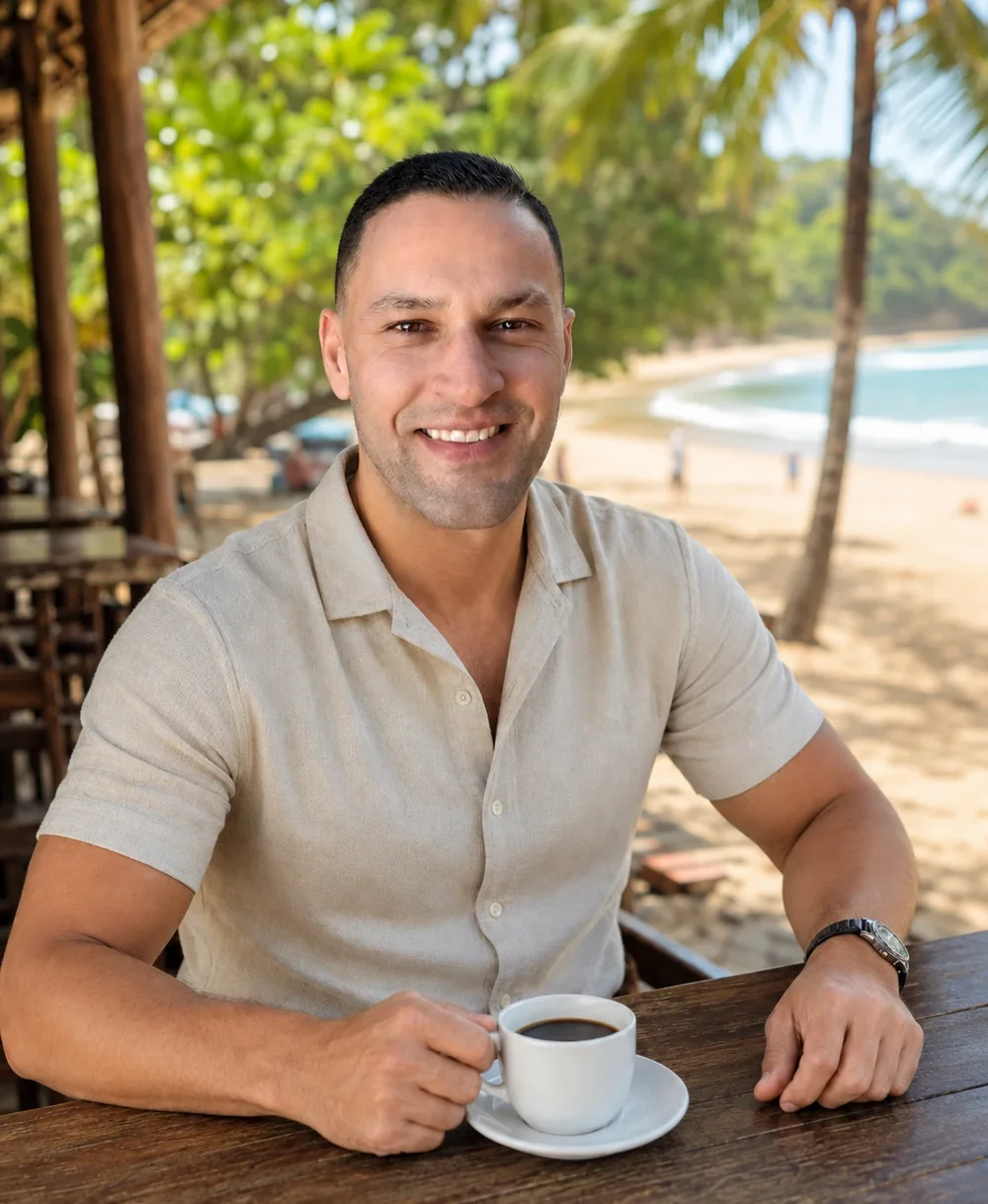
Most people don't think about language until they're staring at a contract written entirely in Spanish, wondering if the word they don't recognize matters. It usually does. Buying property is detailed enough in your own language; doing it in a second one, under time pressure, is where things get missed. Here's where language actually comes up in a Costa Rica purchase, and why it's worth asking about upfront.
Where Language Actually Matters
Reading the contract, not just signing it. The Option to Purchase and Sale Agreement, the escrow instructions, and the title documents are all in Spanish. You don't need to become fluent to buy here, but you do need someone translating the substance, not just the words, so you understand what you're agreeing to.
Talking to the notario. Your closing attorney also acts as the notary who executes the transfer, and most conduct business primarily in Spanish. Having someone bridge that conversation in real time, especially on last-minute questions before closing, removes a lot of unnecessary stress.
Negotiating with local sellers. Plenty of properties in Guanacaste are still owned by Costa Rican families or held through local entities. Being able to negotiate directly in Spanish, without a delay or a middleman, tends to produce better outcomes for everyone.
Day-to-day logistics. Banks, utility providers, and property managers here mostly operate in Spanish. Even after closing, having someone who can make a phone call on your behalf saves real time.
How I Handle This
I work fluently in both English and Spanish with every client, from the first conversation through closing and beyond. My office also includes a French-speaking colleague, so francophone clients from Quebec, France, and elsewhere still get direct support in French when that's their preference, even though I personally work in English and Spanish. If that's you, just say so early and I'll make sure you're connected with the right person from the start.
None of this replaces your own attorney, who I'd always recommend hiring independently of any agent. But language shouldn't be the reason you feel unsure about a step in the process, and that's the part I can help remove.
Frequently Asked Questions
Do I need to speak Spanish to buy property in Costa Rica?
No. Working with a bilingual agent means you can go through the entire process, from the first property tour to reviewing the closing documents, in English, with nothing lost in translation on the details that matter.
Is Juan Pablo fluent in French?
No, Juan Pablo works fluently in English and Spanish. For clients who prefer French, his office includes a French-speaking colleague who can assist directly, so francophone buyers from Quebec, France, and elsewhere are still fully supported.
Are legal documents in a Costa Rica purchase in Spanish?
Yes, contracts, the title registry, and closing documents are in Spanish, since that's the official language of the country's legal system. A bilingual agent's job is to make sure you understand exactly what those documents say in plain English before you sign anything.