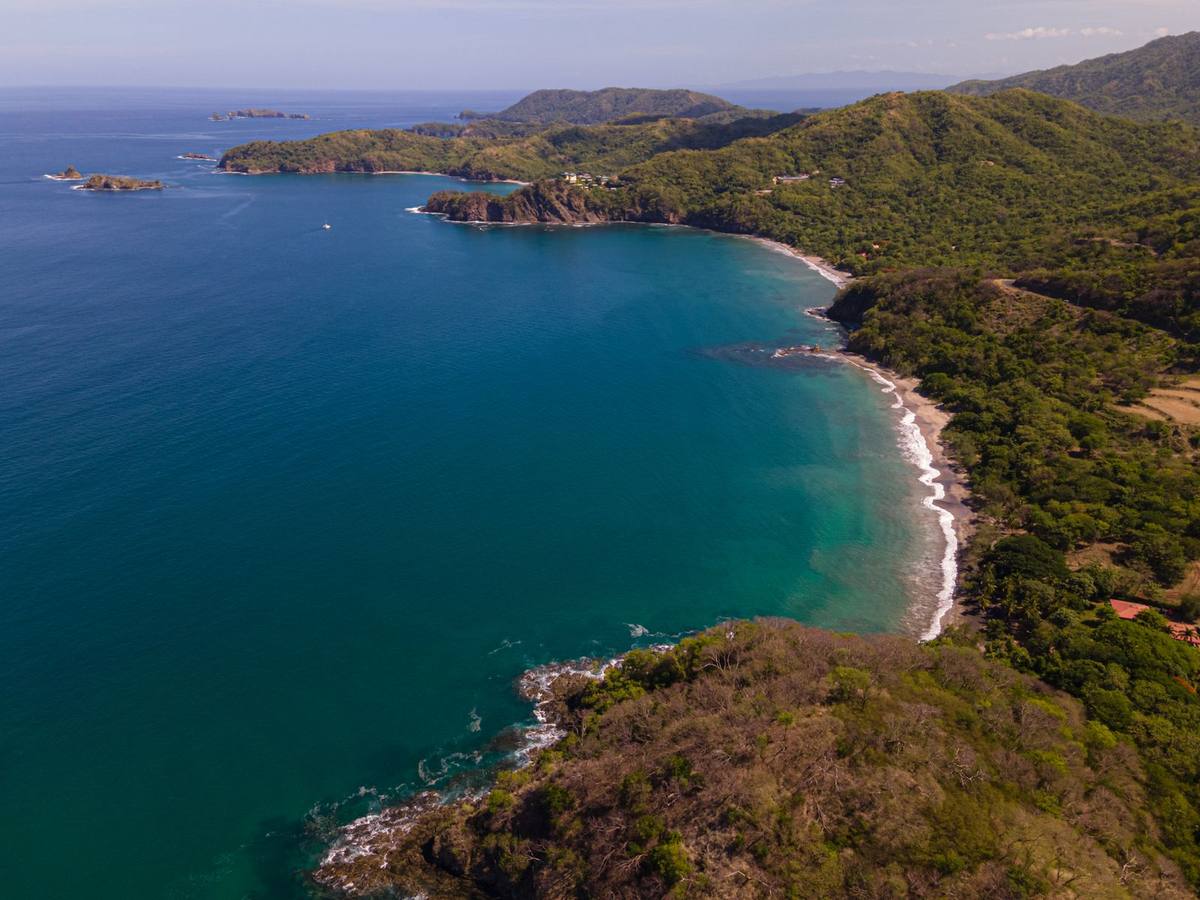
Every year, more people from the US, Canada, and Europe decide to relocate to Costa Rica — and Guanacaste, with its beaches, growing expat community, and easy pace of life, is one of the most popular landing spots. If you're thinking about making the move, here's a practical look at what to expect.
Visas and Residency
Most visitors can enter Costa Rica visa-free for up to 90 days as tourists, which is enough time to explore and decide if it's the right fit. For a longer stay, the three main residency categories are: Pensionado, which requires a verifiable lifetime pension of at least $1,000/month (no minimum age, as long as the pension itself qualifies); Rentista, which requires proof of a guaranteed passive income of at least $2,500/month, sustained for at least two years; and Inversionista, which requires a minimum investment of $150,000 in Costa Rican real estate or a qualifying business (reduced to $100,000 for certain forestry projects). Employment income and salary don't qualify for Pensionado or Rentista — the income has to be passive or pension-based. All three paths lead to permanent residency after three years and citizenship after seven. Many expats start on tourist status while their paperwork is processed, so it's worth talking to an immigration attorney early in the process.
Cost of Living
Costa Rica isn't the cheapest country in Central America, but Guanacaste still tends to be more affordable than living in the US, Canada, or Western Europe — especially outside of the most tourist-heavy beach towns. Groceries, local restaurants, and household help are generally reasonable, while imported goods, vehicles, and some utilities can run higher than what you might expect. Housing costs vary widely depending on whether you're renting or buying, and how close you are to the beach.
Where to Live in Guanacaste
Guanacaste covers a lot of ground, and each area has its own character:
- Playas del Coco — a real, lived-in town with a strong expat community, good infrastructure, and easy access to the marina and nearby beaches.
- Ocotal — quieter and more residential, popular for those who want a slower pace close to Coco.
- Playa Hermosa — known for its calm bay and a mix of vacation rentals and full-time residences.
- Playa Panamá — close to Coco, with a growing number of newer developments.
Buying Property as a Foreigner
Costa Rica generally allows foreigners the same property ownership rights as citizens, which makes it more accessible than many other countries in the region. That said, due diligence matters — confirming clean title, checking whether a property falls within the maritime zone restrictions near the coast, and working with a real estate agent and attorney who know the local market are all important steps before making an offer. Budget for a property transfer tax of about 1.5% of the sale price (or fiscal value, whichever is higher), and note that homes with a construction value above roughly $270,000–$290,000 are subject to an annual luxury home tax, filed each January.
Getting Settled
Once you've arrived, day-to-day logistics — opening a local bank account, getting a Costa Rican phone plan, registering with the public or private healthcare system, and building a local network — tend to take the first few months. Most expats find that connecting with the existing community in Coco and the surrounding areas makes this transition much smoother.
Every move is different, and the right approach depends on your timeline, budget, and what you're looking for in day-to-day life. If you're weighing your options for Guanacaste, I'm happy to talk through what makes sense for your situation.