This is one of the most common questions I get from people considering a move to Guanacaste, and there's no single right answer. It depends on your timeline, how sure you are about the area, and how the financing numbers work out for you specifically. Here's how I'd think it through.
Renting May Make More Sense If...
- You're not 100% sure which area is the right long-term fit.
- Your timeline in Guanacaste is under two or three years.
- You'd rather test a neighborhood before committing.
- You want to hold off on title and maritime zone due diligence until you're ready.
Buying May Make More Sense If...
- You're confident in the location and planning to stay five-plus years.
- You want to lock in pricing while the market still leans buyer-friendly.
- You like the idea of rental income potential down the line.
- You're comfortable navigating foreigner-financing terms and closing costs.
The Case for Renting First
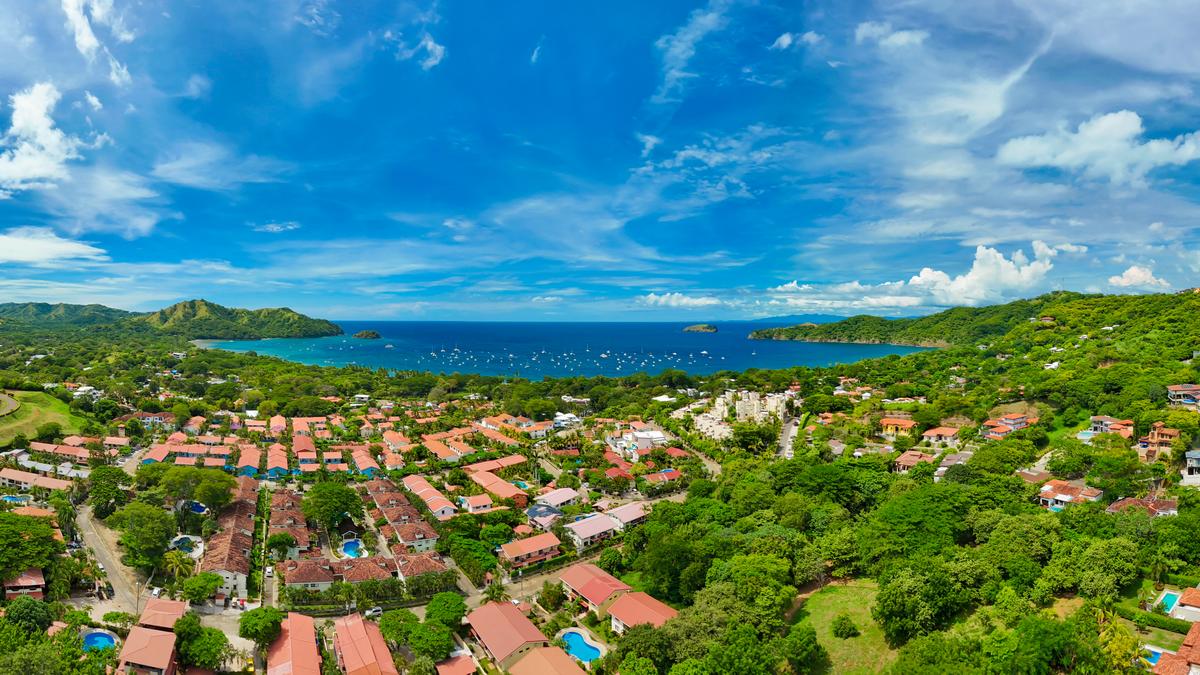
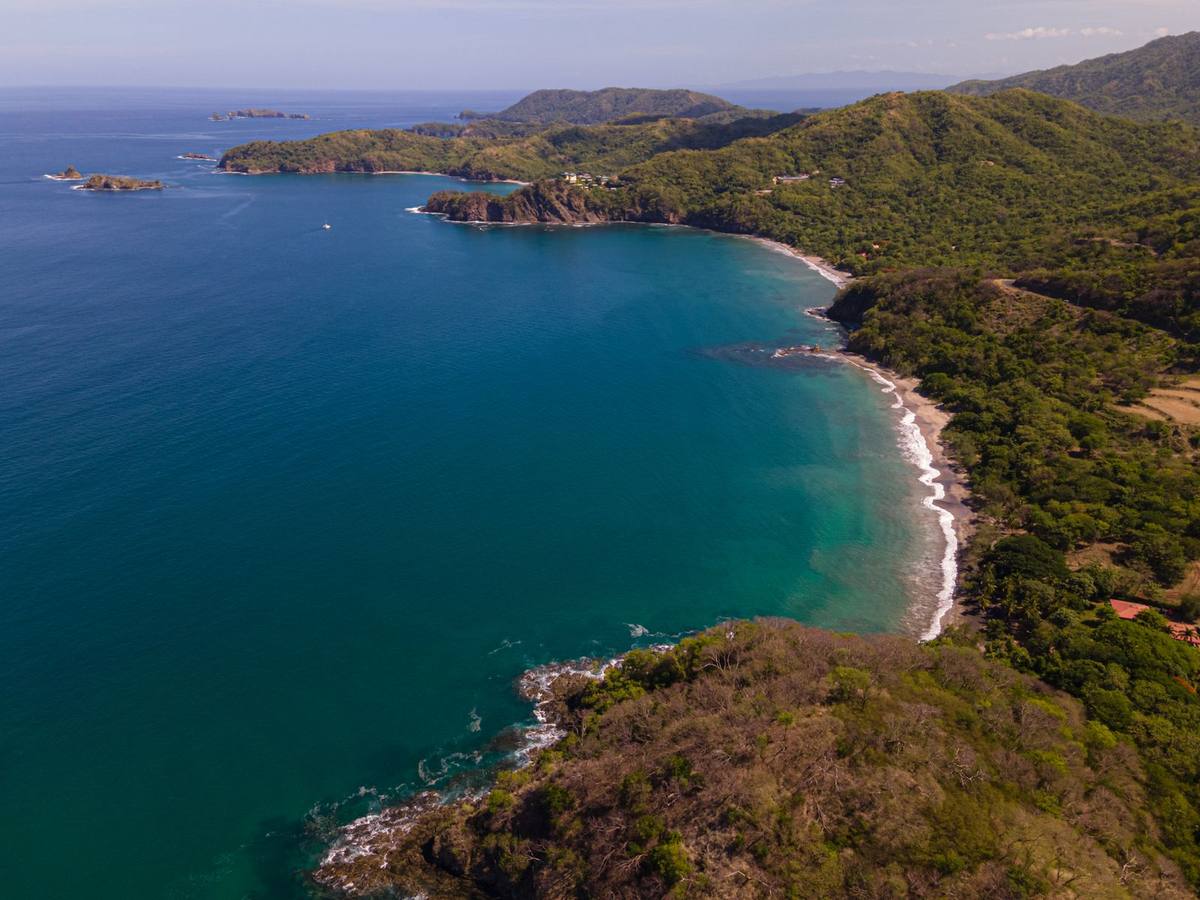
If you're not 100% sure Coco, Hermosa, or wherever else in Guanacaste is the right fit long-term, renting for six to twelve months before buying is a smart, low-risk way to test it out. It buys you time to get to know different neighborhoods, avoid rushing into a purchase, and sidestep the due diligence work (title checks, maritime zone restrictions) until you're actually ready to commit. The good news is rental demand here is strong and consistent, so if you do end up buying later, that same demand can work in your favor if you decide to rent the property out.
The Case for Buying
Costa Rica gives foreigners the same property ownership rights as citizens, which removes one of the biggest barriers people worry about. And the numbers currently favor buyers: Coco and Playa Hermosa are forecast to appreciate roughly 7–11% a year, backed by steady growth in airport traffic and tourism. If you know you want to be here for the long haul (three, five, ten years), buying sooner rather than later, while the market still leans buyer-friendly, can make a real difference in what you pay. If you want a concrete example of what that looks like right now, I currently have an oceanfront home in Ocotal and a 2-bedroom condo in Coco on the market.
The Financing Reality
Foreigners can get mortgages in Costa Rica, but the terms are different from what you might be used to. Private banks typically require a down payment of 30–50% of the property's value, with interest rates generally ranging from 8.5–10%, though well-qualified buyers have seen rates closer to 7.6% as of early 2026. Owner or developer financing is increasingly common in Guanacaste and often comes with lower rates (roughly 6–9%), though usually still with a substantial down payment. Short-term private/bridge loans are also available but carry higher rates (10–15%) and shorter terms.
The Costs of Buying You Should Budget For
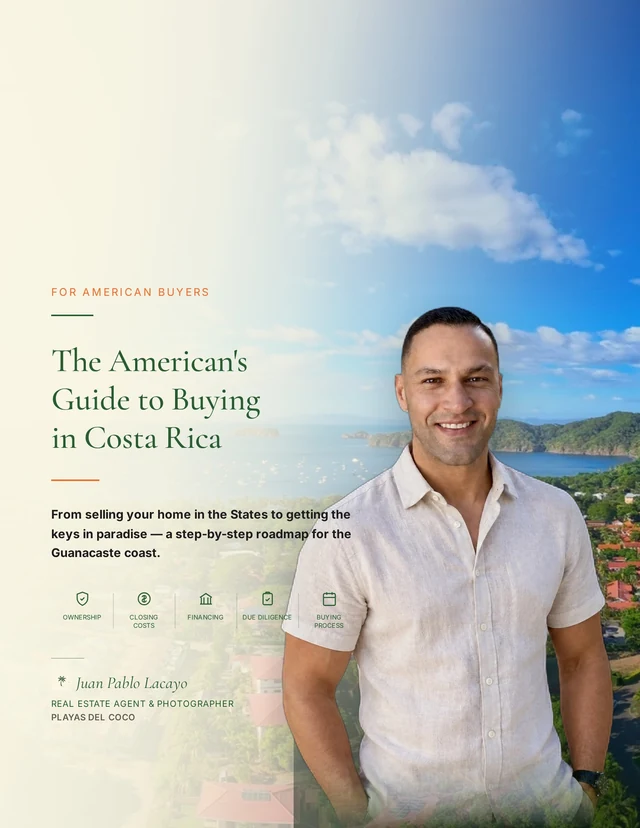
Beyond the purchase price, plan for a property transfer tax of about 1.5% of the sale price or fiscal value (whichever is higher), plus standard closing costs and legal fees. If the home's construction value is above roughly $315,000 (a threshold recalculated every January), it will also be subject to Costa Rica's annual luxury home tax, which starts around 0.25% and rises in tiers as value increases. None of these are dealbreakers, but they should factor into your total cost comparison against renting. I break down the full cost picture, financing options, and the closing timeline in my free buyer's guide.
How to Decide
As a rough rule of thumb: if your timeline in Guanacaste is under two or three years, or you're still deciding between areas, renting is usually the lower-risk move. If you're confident in the location and planning to stay five-plus years, buying, especially while the market still favors buyers, tends to make more financial sense given current price trends.
Every situation is different, and I'm happy to run the actual numbers with you: rent vs. buy, financing options, and what a realistic budget looks like for what you're after. If you're comparing specific towns, my guides to Sardinal and Playa Hermosa lay out the trade-offs between cost and location.
Sources & Data
- Foreign-buyer mortgage rates and down payment requirements: Century 21 Costa Rica, "Financing for Foreigners in Costa Rica: 2026 Mortgage Guide" and My Puerto Viejo Realtor, 2026 FAQ guide.
- Appreciation forecasts for Coco and Playa Hermosa: TheLatinvestor, "Property Price Forecasts Guanacaste (2026)".
- Property transfer tax (~1.5%): Realty ONE Group Costa Rica, property taxes & closing costs guide.
- Luxury home ("solidarity") tax threshold and rates: ICS Costa Rica, "ISO Solidarity Tax Update for the Period 2026".
- For a deeper look at vacation-rental yields on the Gold Coast: Expat Properties CR, "Investment Property in Costa Rica: Rental Yields on the Gold Coast".
Financing terms vary by bank and buyer profile; figures above are general ranges reported as of 2026, not a quote. Please confirm current rates and thresholds directly with a lender or attorney before budgeting.
Frequently Asked Questions
Should I rent or buy in Guanacaste?
As a rough rule of thumb: if your timeline in Guanacaste is under two or three years, or you're still deciding between areas, renting is usually the lower-risk move. If you're confident in the location and planning to stay five-plus years, buying tends to make more financial sense given current price trends, especially while the market still favors buyers.
Can foreigners get a mortgage in Costa Rica?
Yes, but the terms differ from what you might be used to. Private banks typically require a down payment of 30-50% of the property's value, with interest rates generally ranging from 8.5-10%. Owner or developer financing is increasingly common in Guanacaste and often comes with lower rates, roughly 6-9%, though usually still with a substantial down payment.
What extra costs should I budget for when buying in Guanacaste?
Beyond the purchase price, budget for a property transfer tax of about 1.5% of the sale price or fiscal value, plus standard closing costs and legal fees. Homes with a construction value above roughly $315,000 are also subject to Costa Rica's annual luxury home tax, which starts around 0.25% and rises in tiers.